Where home cameras make sense
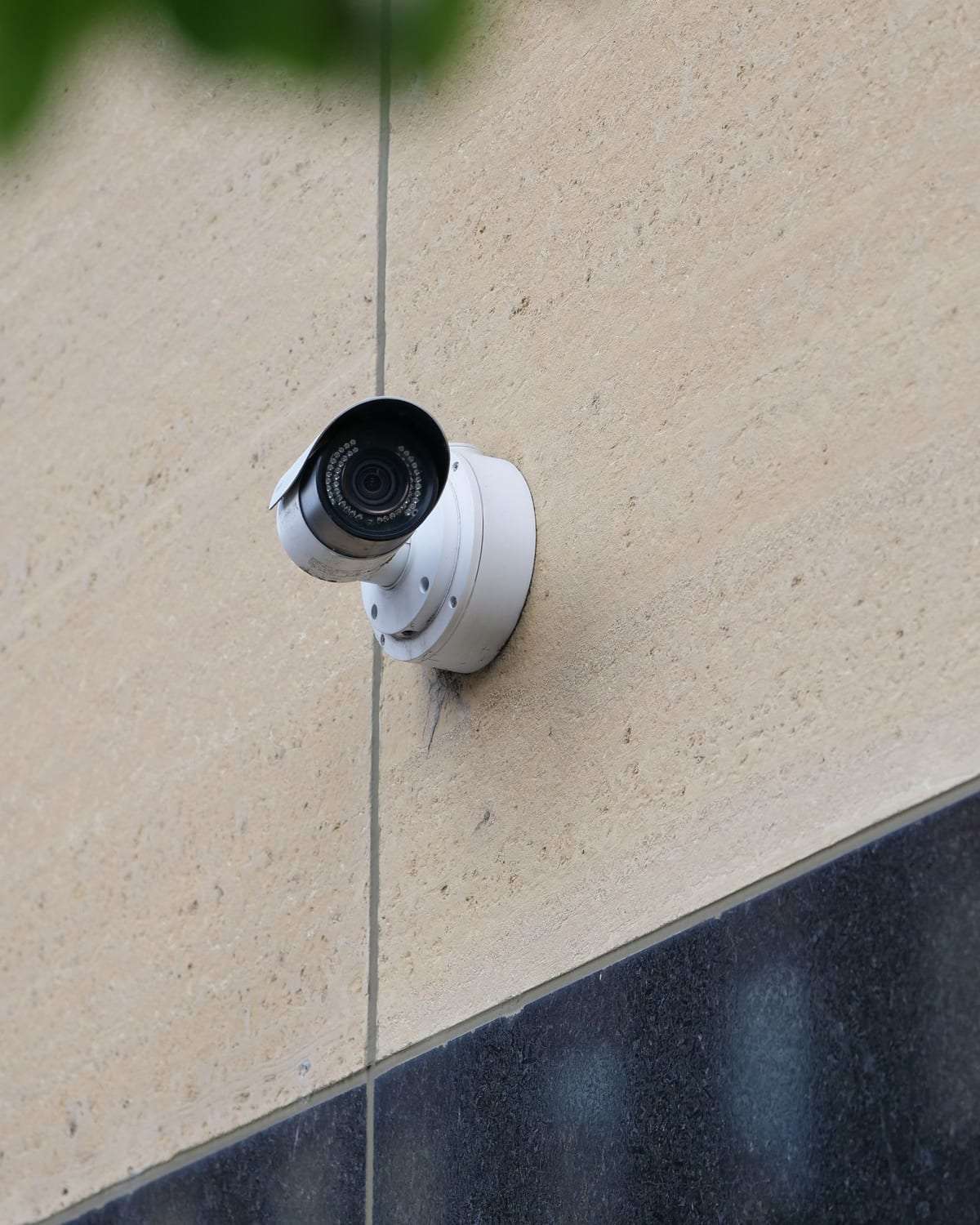
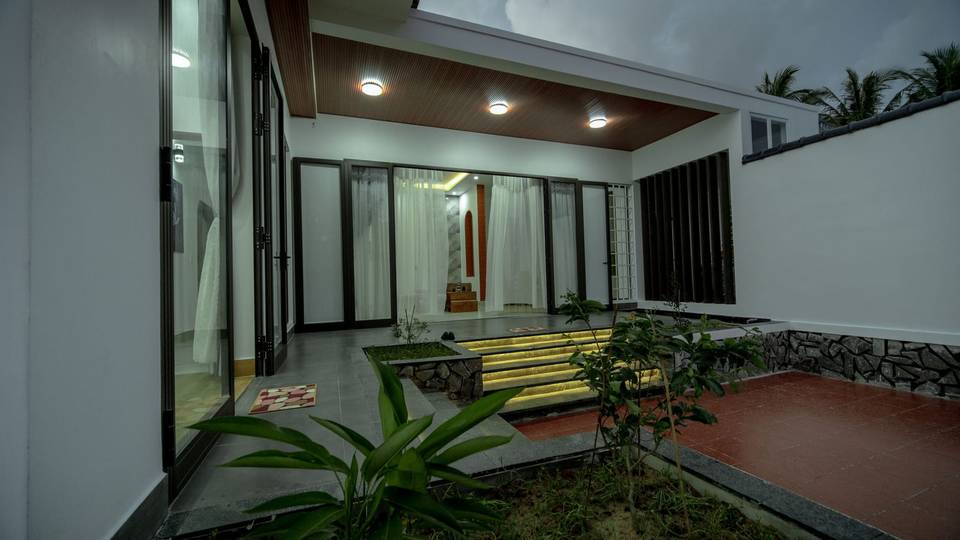
The rule we work by: a camera covers your own property, mostly from the outside, and only as much as you need. At a villa in Riyadh, a typical layout is one camera at the main gate that sees the face of whoever stands at the bell, one covering the yard or side passage, and one on the parking area inside the wall. That is enough for most homes.
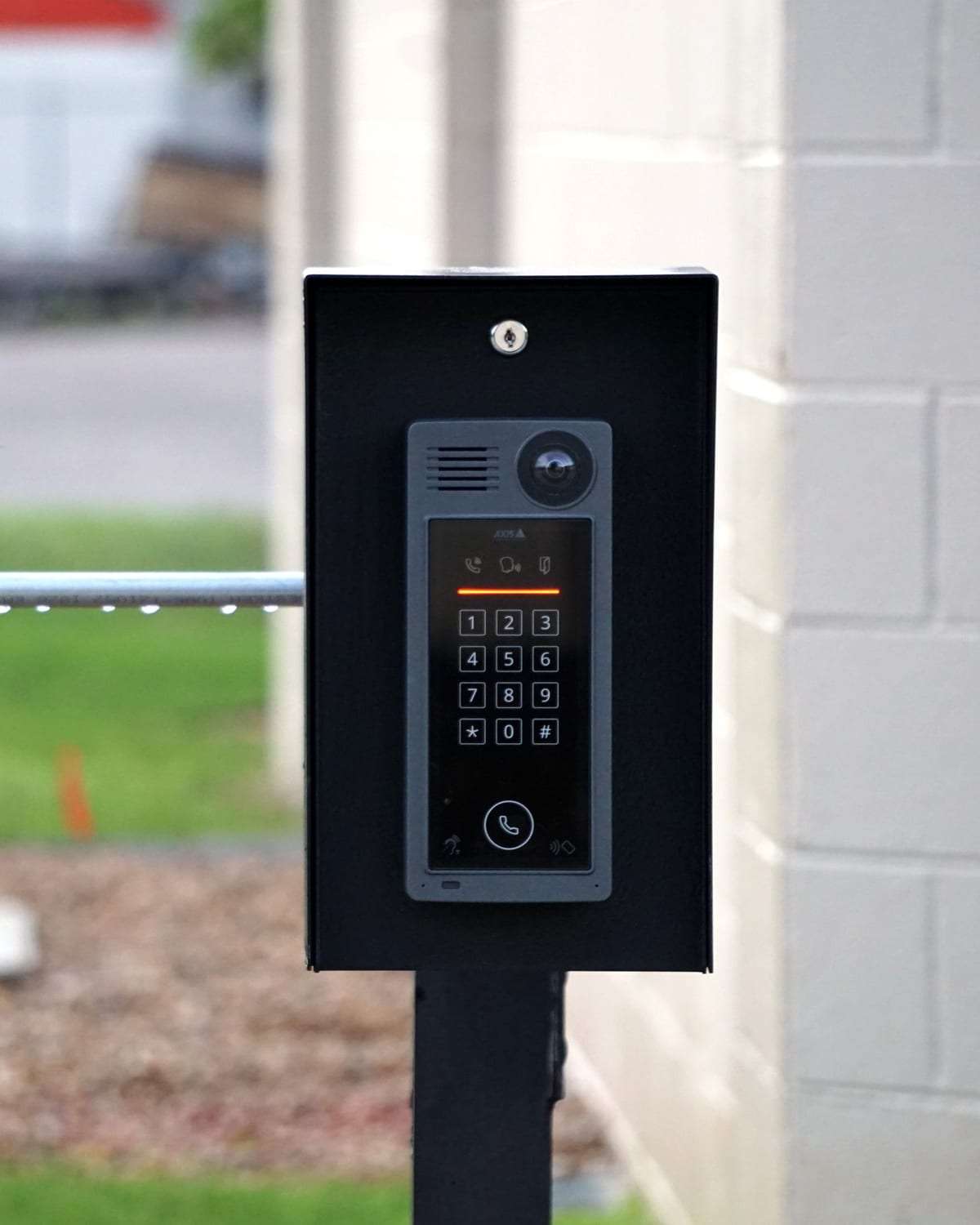
In an apartment in Jeddah it is simpler: a small camera or a video doorbell covering your own door or the threshold, without sweeping the whole building corridor or the neighbours’ doors. At an istiraha in Qassim, covering the gate, the parking and the boundary wall makes sense, because the place stands empty for most of the week.
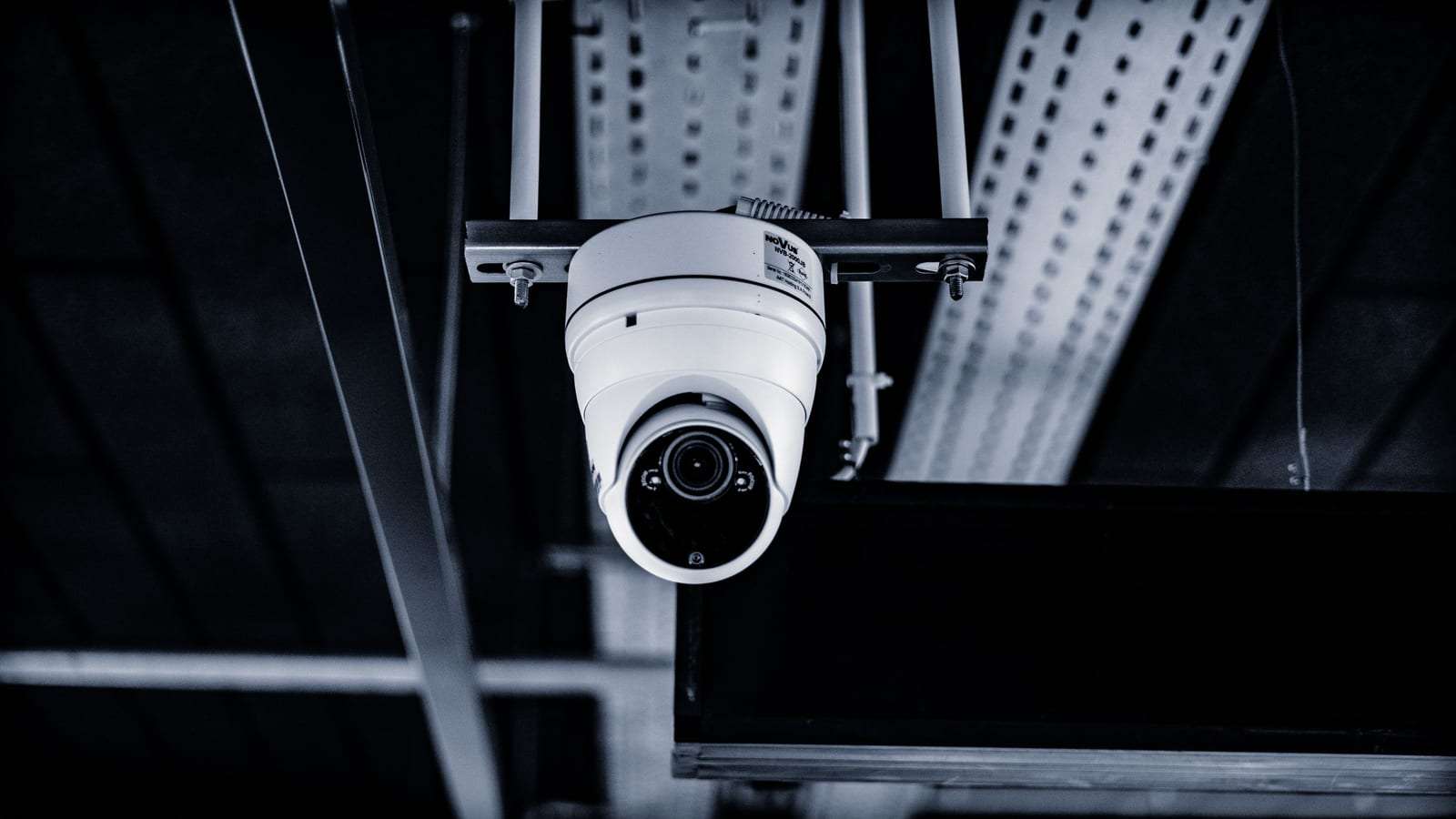
When you pick each position, ask yourself what exactly you want to see. If the answer is “who comes through the gate”, you don’t need a wide lens that takes in the whole street. A good technician sets the angle and lens to the target; you can see the equipment options on our home CCTV page.
What to avoid
These are places we recommend keeping cameras away from, even when mounting there would be easy:
- Neighbours’ houses, yards, windows and roofs, even partly.
- The street and pavement beyond what you need, such as a camera that takes in every house across the road.
- Private rooms inside: bedrooms, bathrooms and changing areas.
- The domestic worker’s or driver’s quarters, and anywhere guests should be able to expect privacy.
- The majlis or women’s sitting room during visits, if the camera would capture guests without their knowledge.
The general position in Saudi Arabia is that filming in places of a private nature is not allowed and that other people’s privacy is protected. If a camera has to look over part of the street, ask the technician to set up privacy masking on the device, a feature that blocks out parts of the image such as a neighbour’s window or the house opposite.
Family, staff and guests: tell people first
A camera the household knows about is better than one they discover. Before installation, talk to your wife and older children about where the cameras will go and who can see the live view. Plenty of family arguments start with a camera in the living room that nobody was asked about.
A domestic worker or driver should know where the cameras are in the places they work, such as the kitchen, the yard or the parking area. Explain it in a language they understand, and never put a camera in their room or the place where they rest. That is simply decent treatment before it is a legal question.
For guests, a small sign at the gate saying the premises are covered by cameras is usually enough. If you have a majlis that hosts many visitors, it is better to leave it without a camera altogether.
Audio recording: think before you switch it on
Many modern home cameras have a microphone, and some record sound by default from the first day. Filming is one thing; recording what people say is another, and it may be treated differently under the rules.
Our practical advice: leave audio recording off on indoor and outdoor cameras unless you have confirmed that your use is allowed and appropriate. Talking to someone at the door through a video doorbell is normal, but continuous audio recording inside the house or at the gate is worth checking first.
Don’t post clips, even the “funny” ones
It happens a lot: the doorbell catches a delivery driver, a visitor or the neighbours’ child, the clip goes into the family WhatsApp group and from there it spreads. Footage showing an identifiable person touches on their privacy, and posting it on social media can land you in trouble.
If something really did happen at your house, keep the recording as it is, don’t edit it, and hand it to the competent authorities if they ask for it. Posting to shame someone or for a laugh is best avoided.
Protect the app account and the recordings
Privacy is not only about the camera angle; it is also about who can open the app. A well-aimed camera with a weak password can expose your whole home. First thing after installation: change the default password on the device and the app, and switch on two-step verification if it is available.
Don’t share one login with the whole family. Most systems let you add users with set permissions, for example live view only, without deleting or downloading. If a technician set the system up, make sure every password was handed to you and that they keep no standing access without your knowledge.
Ask where recordings are stored too: on a recorder inside the house, on a memory card in the camera, or in a cloud service. Each has its merits; what matters is knowing where they are and who can reach them. When you sell a device or move house, wipe the account and the recordings.
Choose a technician who takes privacy seriously
An experienced technician asks before drilling: what is this camera for? If they see the angle reaching into a neighbour’s yard, they tell you and suggest a fix. That is a good sign. Ask the company for its licence number and commercial registration; our guide on choosing a licensed installer explains how.
For a wider view of home protection, from cameras to smart locks and alarms, all the options are on our home security page.
FAQ
Can I put a camera on my gate that looks onto the street?
A gate camera is common and reasonable if it covers your entrance and what is directly in front of it. Avoid sweeping the neighbours’ houses or more of the street than you need, and use privacy masking where it helps. Check the legal details that apply to you.
Can I have a camera indoors to keep an eye on the housemaid?
If it is in a shared area such as the entrance hall or living room, tell her clearly that it is there. Never put a camera in her room, a bathroom or where she rests, and never use any kind of hidden recording.
My neighbour’s camera looks into our yard. What can I do?
Start with a friendly word. Many cases come down to a bad angle that a technician can fix in minutes or with a privacy mask. If that gets nowhere, you can approach the competent authorities.
Does a video doorbell count as a surveillance camera?
In practice yes, because it films and records at your door. The same logic applies: cover your entrance, don’t post clips and be careful with audio. More in our intercom and video doorbell guide.
How long should I keep home recordings?
At home a short period that covers a trip or time away is usually enough, after which new footage overwrites the old automatically. Save any important clip separately if a competent authority may need it.
This guide is general information, not legal advice. Rules and requirements can change — always confirm with the competent official bodies and a licensed installer before deciding.