Cameras: number and type come first
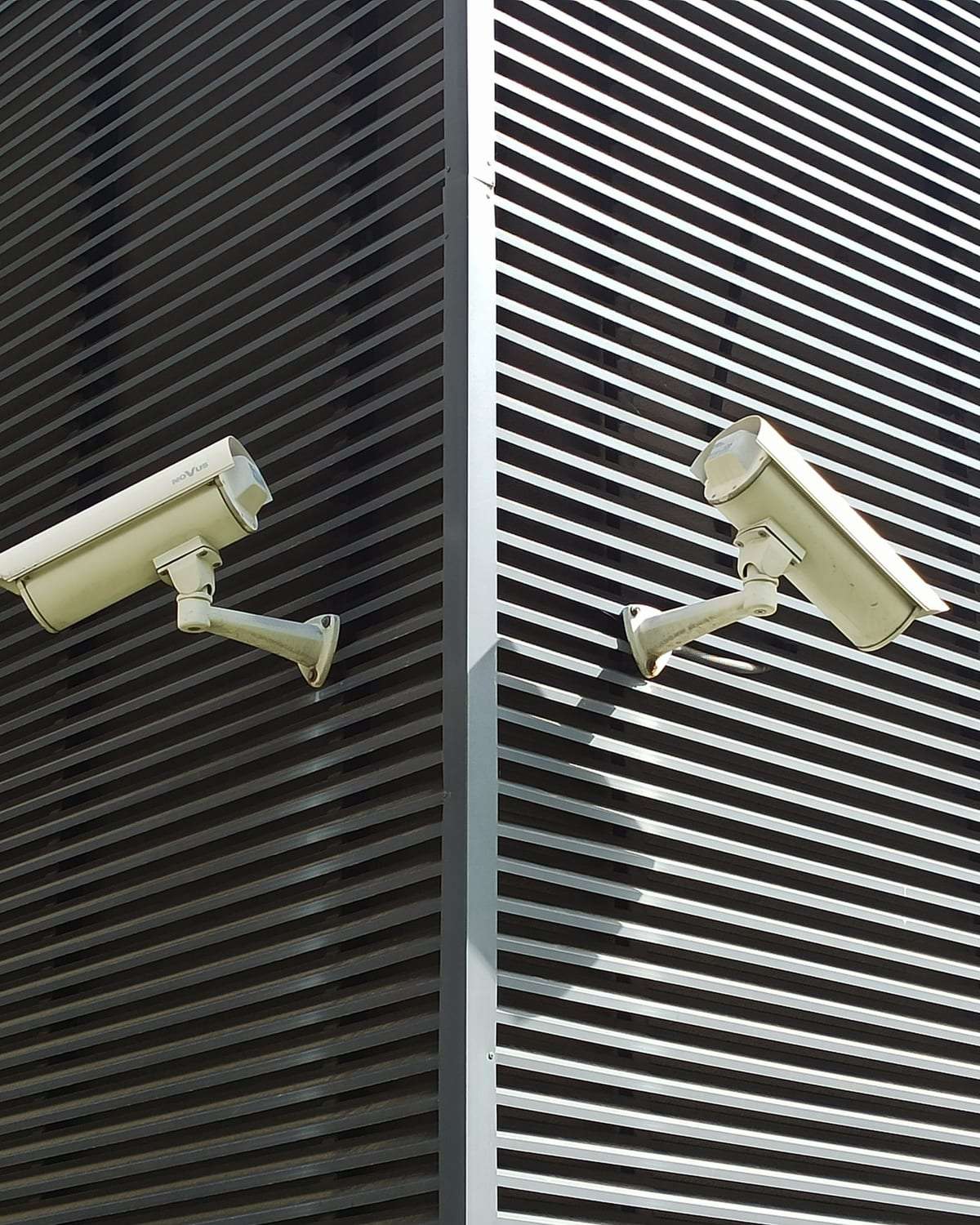
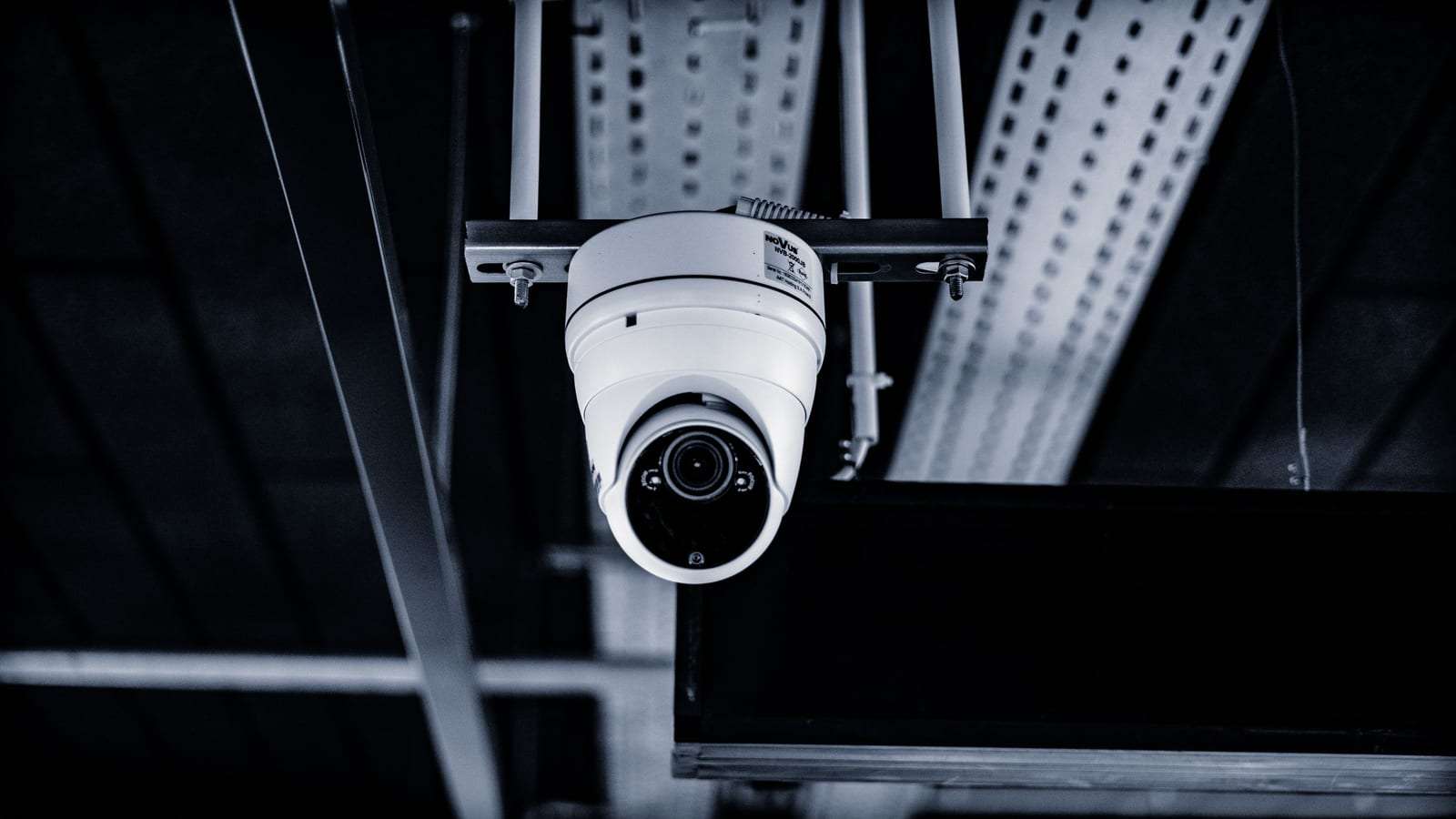
Camera count is the obvious factor, but not the only one. Each camera means a device, a mount, a cable run, a recorder port and time to install and adjust. So start from the areas to cover rather than a number: entrances and exits, the till, the stockroom, parking and the perimeter. The technician turns those into a count; see our guide to how many cameras a shop or restaurant needs.
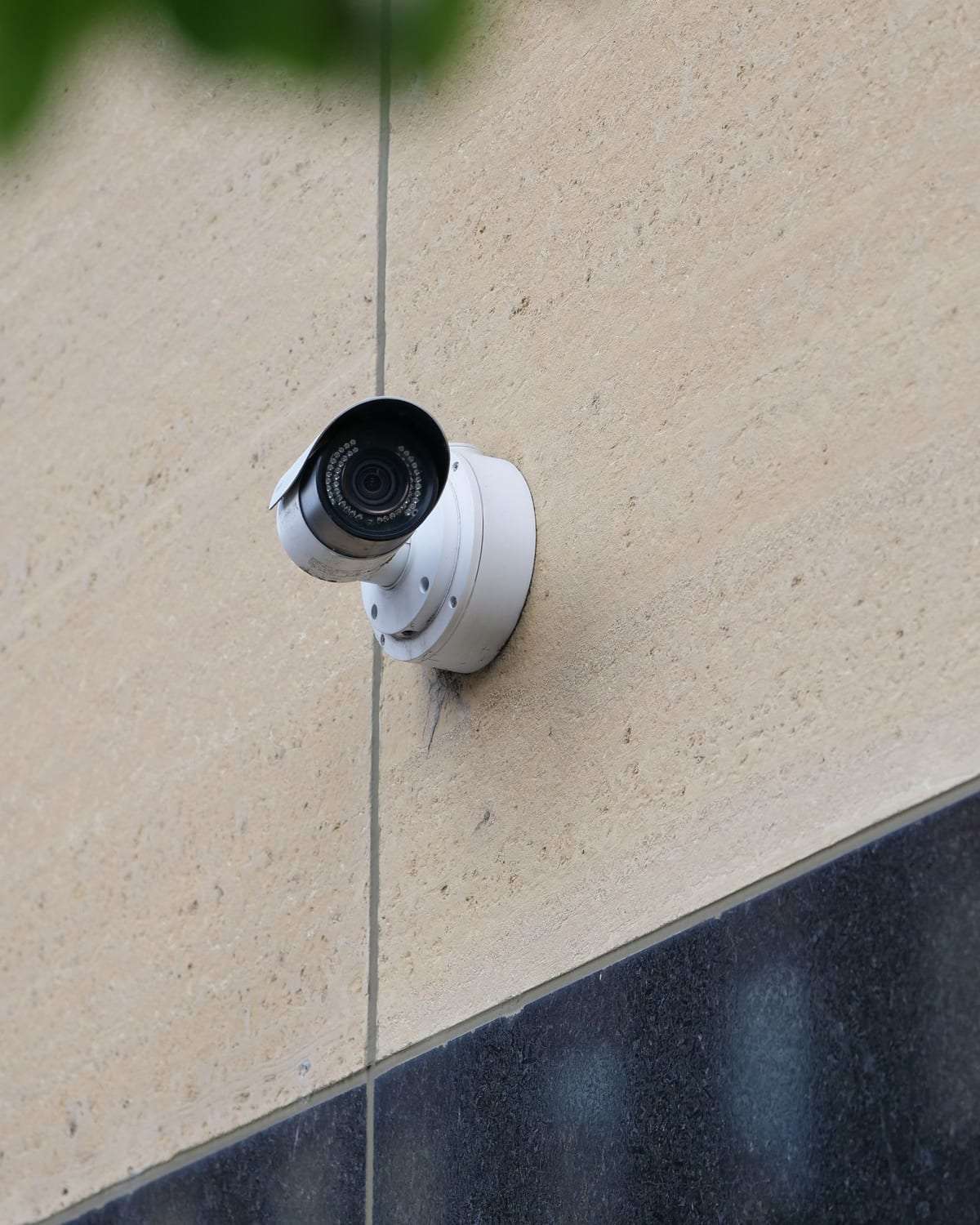
Indoor or outdoor. An outdoor camera needs a housing that copes with heat, dust and rain and a sturdier mount, so it usually costs more. Fixed or PTZ. A fixed camera covers one view; a pan-tilt-zoom camera suits large yards and car parks, costs more and needs careful set-up. Often two well-placed fixed cameras do more than one PTZ.
Resolution and night vision. Higher resolution helps at the till and entrance, but it raises the camera price and uses more storage. Infrared night vision is essential outdoors, and cameras that give a colour image in low light cost more. The system type matters too: IP or analog changes both the cable and the recorder.
Storage and retention: NVR or cloud
Retention decides disk capacity, a visible part of any quote. More cameras, higher resolution, longer hours or more days mean bigger or more disks, sometimes a larger NVR or a second one. For some activities the regulations set a minimum retention period, and storage must be designed around it from the start. Our recording retention guide explains how the sum works.
Cloud storage adds an off-site copy, but it is a recurring subscription that depends on the site’s internet, so it is a running cost, not a one-off. If you choose it, ask where the data is stored and who can reach it. And check for a backup power supply (UPS) for the recorder and switch, a small item some quotes leave out.
The building and working conditions on site
Cabling is what surprises most customers. Above a suspended ceiling the cable runs easily. Concrete walls need chasing or surface trunking, open sites such as warehouses and istirahas need long runs and sometimes trenching or poles, and multi-storey buildings need routes between floors.
The building’s stage matters too. Under construction, conduit goes in before plastering, so cabling is cleaner and quicker. In a finished, occupied building it means surface trunking, extra care with the finishes, or wireless links in places.
Working conditions count as well. High cameras on a frontage or warehouse wall need scaffolding or a lift, a mall shop may only be worked on after closing, and building management may require a work permit or drawings first. That is time and equipment, so mention it in your request.
Fire alarm systems: the scope sets the cost
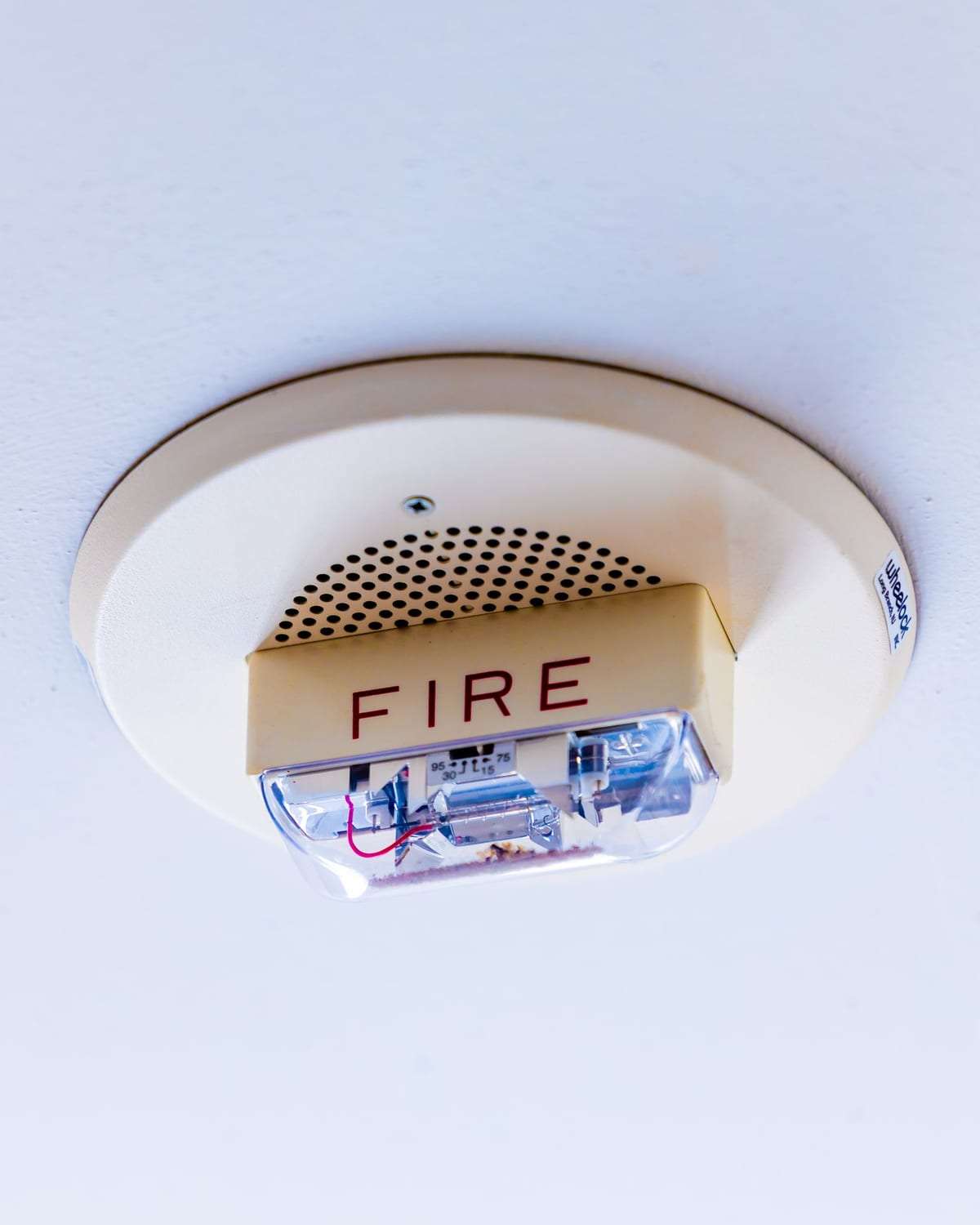
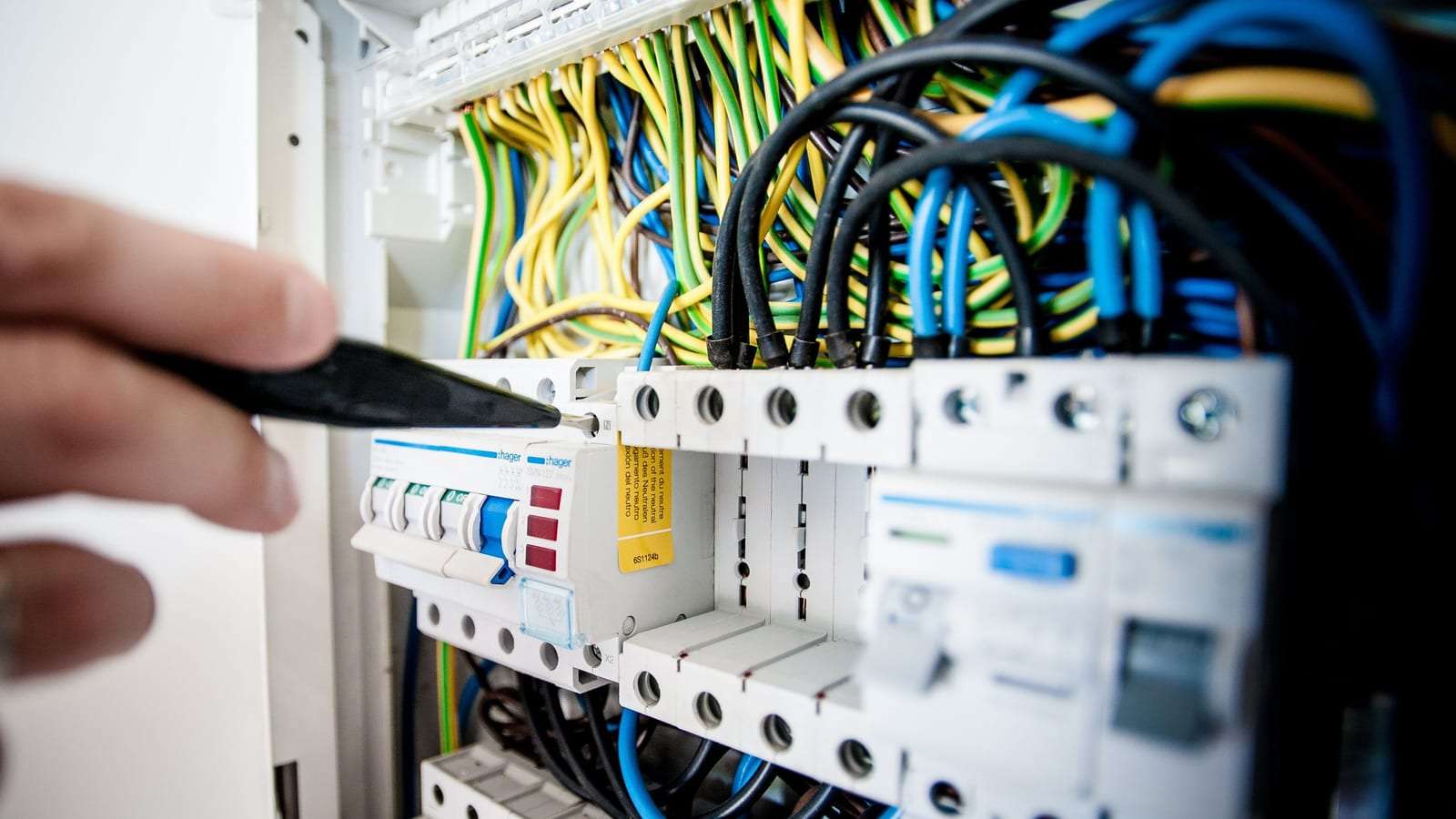
For a fire alarm system, cost starts with the size and layout of the premises: the number of zones, the number of smoke and heat detectors, manual call points, sounders and beacons. A small single-floor unit is a very different job from a multi-storey building with a kitchen, a store and parking.
The panel type is a major factor. A conventional system shows which zone is in alarm and suits smaller premises. An addressable system identifies the individual detector, suits larger buildings and costs more, but makes alarms easier to locate and maintenance simpler. Emergency lighting and exit signs come on top if in scope.
Civil Defense requirements vary with the activity and size, and installation is usually done by safety-system companies accredited with Civil Defense. Check that the quote covers everything required for your activity, not part of it. Confirm them with the accredited company before you sign.
Access control, attendance and home systems
These systems are usually priced by the number of points rather than by floor area:
- Access-control doors
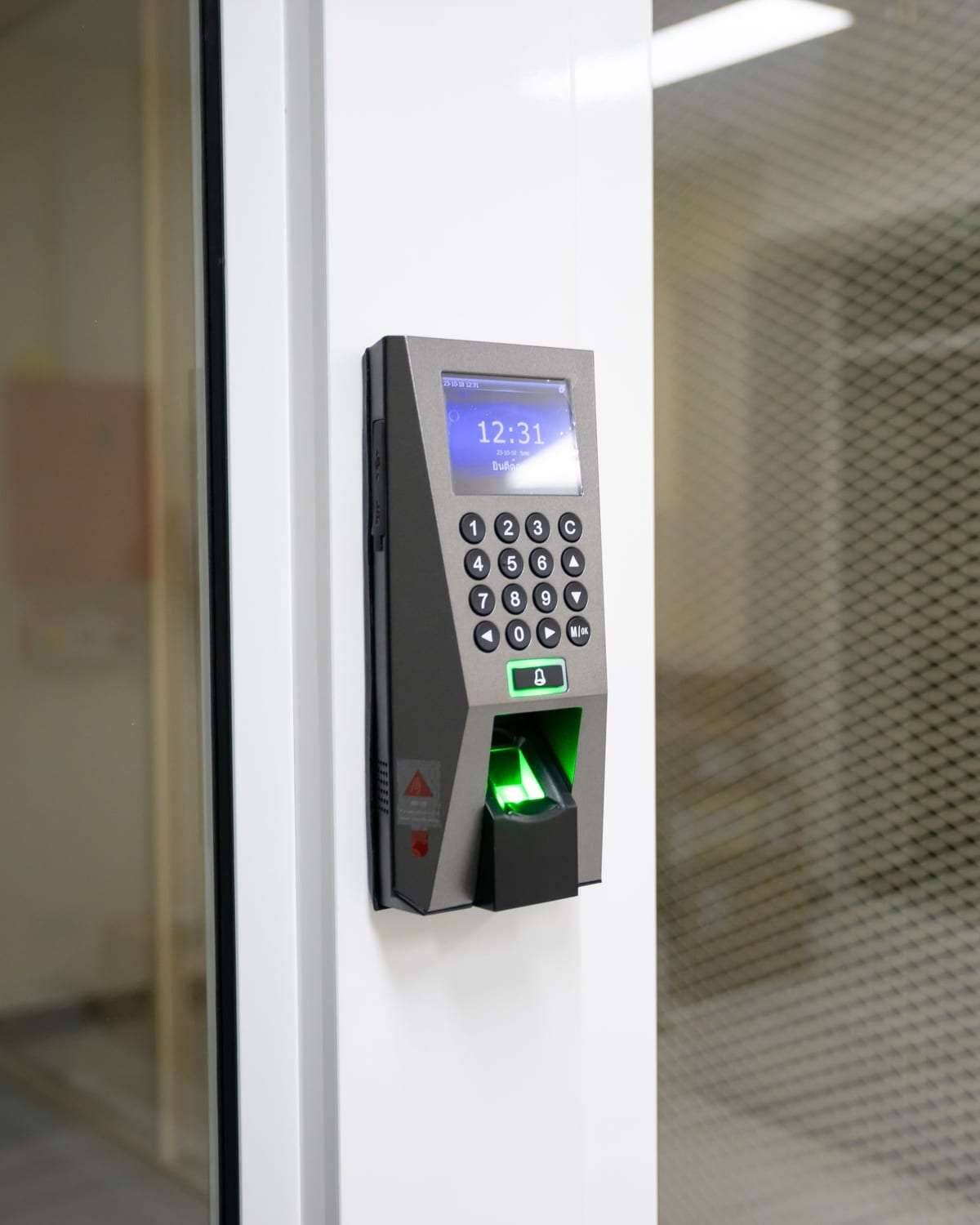
Each door in an access control system needs a reader (card, fingerprint or face), an electric lock suited to the door, an exit button and cabling to the controller. Glass, wooden and steel doors differ, and so do outdoor gates.
- Attendance terminals
The number of terminals, branches and employees, whether you need a link to payroll or HR software, and whether the software is a one-off licence or a subscription.
- Smart locks
The type and thickness of the door, whether the lock works by fingerprint, code or app, and whether the door needs modifying or the lock needs an internet gateway.
- Intercoms and video doorbells
The number of indoor screens and door stations, the distance from the gate to the house, and whether it is a single villa or a residential building with many flats.
- Intruder alarms
The number of sensors on doors, windows and corridors, wired or wireless, and whether the system sends alerts to your phone.
Regulatory requirements and installer licensing
If the surveillance camera law requires your activity to install cameras, the quote must cover what applies to you (coverage, retention, specifications), not just enough to look the part. A cheaper quote that misses them can mean rework later. Start with our surveillance camera compliance page and confirm the details with the competent authority.
Installing surveillance systems requires a company licensed by the competent authority, with a commercial registration for the right activity. A licensed installer may not be the cheapest, but its quote is usually built on real requirements. How to check is explained in our guide to choosing a licensed installer.
Warranty and maintenance: the cost after handover
Two quotes with the same equipment can differ because one includes a longer installation warranty, first-year maintenance visits or remote support. Read the warranty closely: equipment only, or installation and cabling too? Who pays for call-outs and replacements?
For larger systems or several branches, consider a maintenance contract that sets the number of visits, the response time for faults and what each inspection covers. Fire systems in particular need regular maintenance and records, so ask about that in the quote.
How to compare quotes on the same scope
A fair comparison starts with one written request sent to every installer with the same details. Then compare the line items, not just the total:
- Line items: the number, type, resolution and position of each camera, the recorder and disk capacity, the switch, cables, trunking and backup power.
- Retention: written out for the agreed cameras and resolution, not a vague phrase.
- Cabling and civil works: surface or concealed, and who handles chasing and making good.
- Licences and software: is the viewing, attendance or cloud software a subscription? Are the installer’s licence and commercial registration attached?
- Warranty and after-sales: the warranty period and what it covers, response time, and the cost of a visit once the warranty ends.
- Timeline and handover: start and finish dates, training, and handover of passwords and a device layout.
If one quote is far below the others, look for the missing item before you celebrate. If one is higher, ask what it offers on top. The comparison is easiest when every installer gets one clear description.
FAQ
Why don’t you show prices on the site?
Because any general figure would mislead for most sites. The price changes with the number and type of cameras, retention, the building and the working conditions. Written quotes for your own site are far more accurate.
Can I get a cost without a site visit?
Photos, a floor plan and a clear description can get you a rough estimate. The final quote usually follows a survey, especially for finished buildings and large sites.
Why do two quotes for the same shop differ?
Usually the scope differs: camera type and resolution, storage, cabling method, warranty and maintenance. Ask both for the same line items and compare them one by one.
Is installing during construction cheaper than after finishing?
It is usually easier and cleaner, because conduit goes in before the finishes and no chasing or surface trunking is needed. If your building is under construction, request quotes early.
Does SaudiSecurity install systems or set the price?
No. We only compare offers: with your consent we pass your request to licensed installers, each installer sets its own price, and the agreement is between you and the one you choose.
Is the cheapest quote always a bad choice?
No, as long as it covers the same scope, requirements and warranty. The problem isn’t a low price; it’s the missing item you only discover after installation.
We deliberately show no prices on this page. Installers set prices in their quotes based on your site’s details, and the contract is between you and the installer you choose. This guide is general information, not technical or legal advice.