Fire safety & Civil Defense
Fire alarm system installation for businesses
A fire alarm has a simple job: detect smoke or heat early and warn everyone in the building so they can get out safely. Designing and installing one is precise technical work, though — the type of detector, where it goes and how it connects to the panel differ between a restaurant kitchen, a warehouse and a clinic.
In Saudi Arabia, fire safety in commercial premises is tied to Civil Defense requirements. Send one request with your type of premises and size, and fire safety companies accredited with Civil Defense send you quotes.
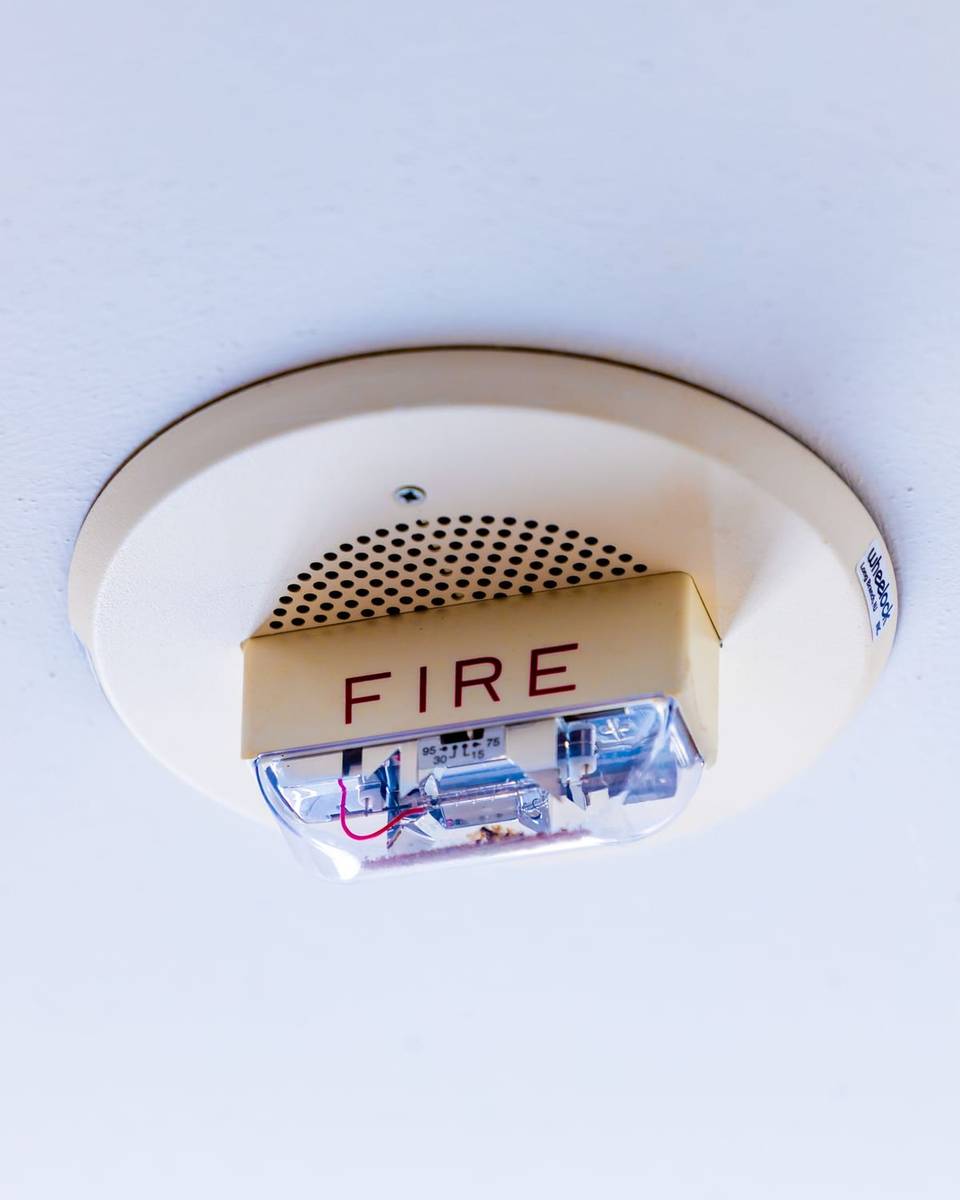
What a fire alarm installation includes
A complete system is more than detectors on the ceiling. A clear quote usually lists:
Site survey and drawings
Working out the zones and the right detector for each room, corridor and store, usually with a drawing showing positions and cable routes.
Detectors and manual call points
Smoke or heat detectors to suit each space, and break-glass or push manual call points near the exits.
Control panel
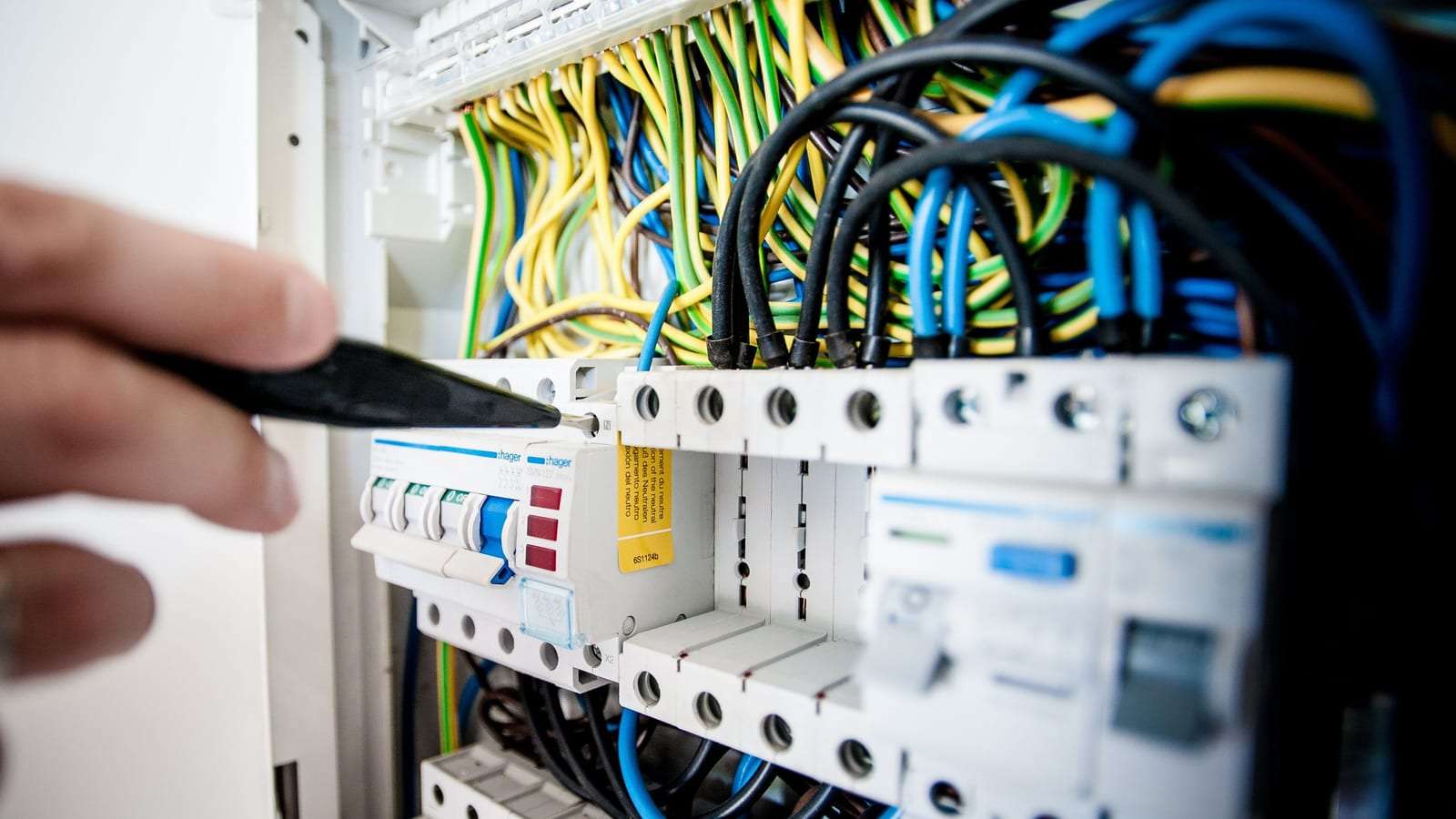
The panel that receives signals, shows where the alarm is and sets off the sounders, with standby batteries.
Sounders and strobes
Audible and visual warning devices that reach every part of the building, including noisy areas and people who don’t hear well.
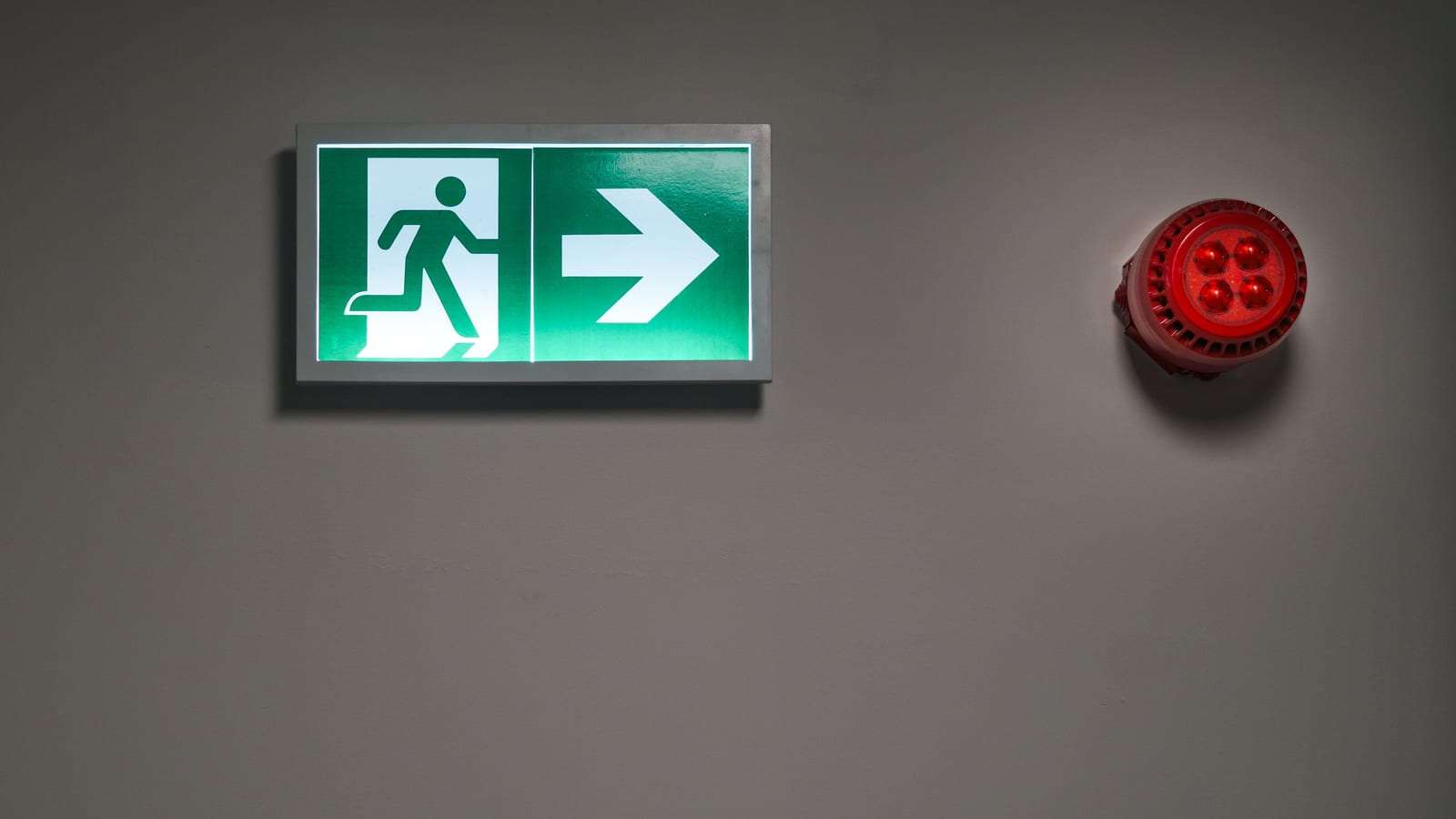
Emergency lighting and exit signs
Lights that work during a power cut and signs showing the way out, where they are part of the scope.
Testing and handover
Testing every detector, call point and sounder, and handing over the drawings, the test record and a walkthrough of the panel.
Options: detectors, panels and warning devices
Smoke or heat detectors? Smoke detectors pick up a fire early and suit offices, corridors and rooms. Where steam or fumes are normal — kitchens, car parks — heat detectors are usually used because they give fewer false alarms. There are also combined detectors and special types for high-ceiling warehouses.
Conventional or addressable panel? A conventional panel splits the building into zones and tells you which zone has the alarm. An addressable panel knows each detector by name and location, so you know the exact room. Conventional usually suits small premises; addressable is better for large and multi-storey buildings.
Sounders and strobes. Sound alone may not be enough in a noisy area or for people who can’t hear, so strobes are added. Emergency lighting and exit signs help people get out if the power fails.
Integration with other systems. The alarm panel can shut down central air-conditioning, release electrically locked doors, recall lifts or trigger extinguishing systems. This is designed from the start with the installer and according to the requirements.
Who needs a fire alarm system?
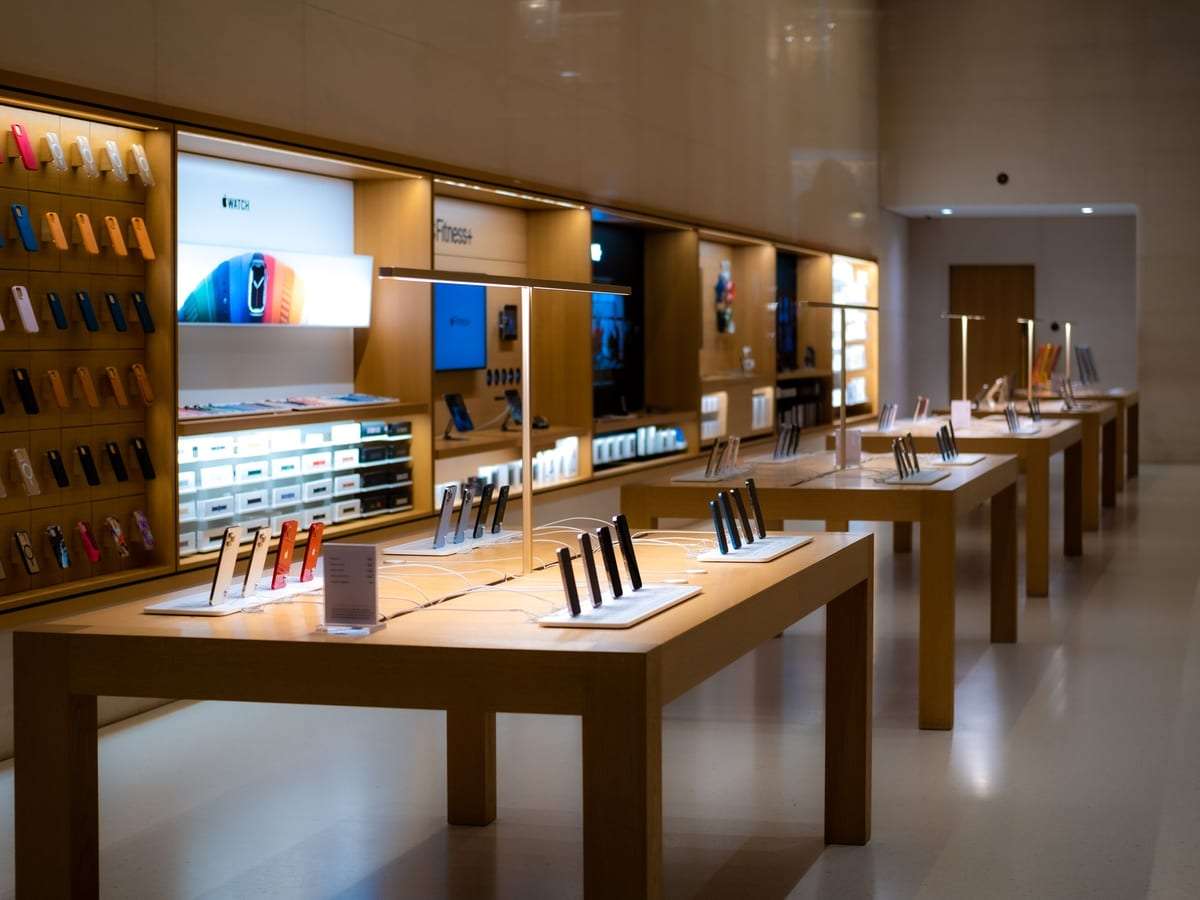
Commercial premises generally need fire safety systems that suit their activity and size, and requirements differ by activity. Those who ask most often:
- Restaurants and cafés: kitchen, dining area and store, with detectors chosen for heat and steam.
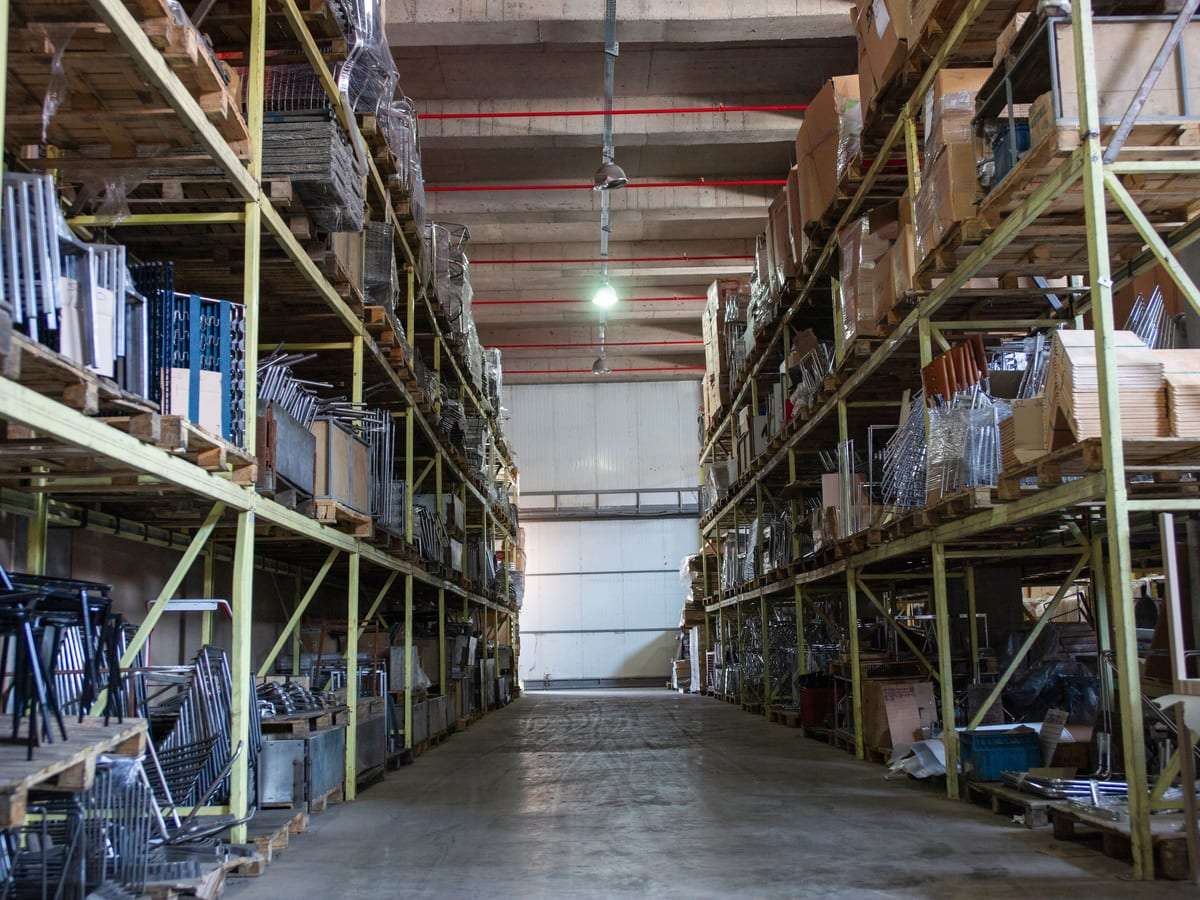
- Warehouses: large areas and high ceilings that need suitable detectors and layout.
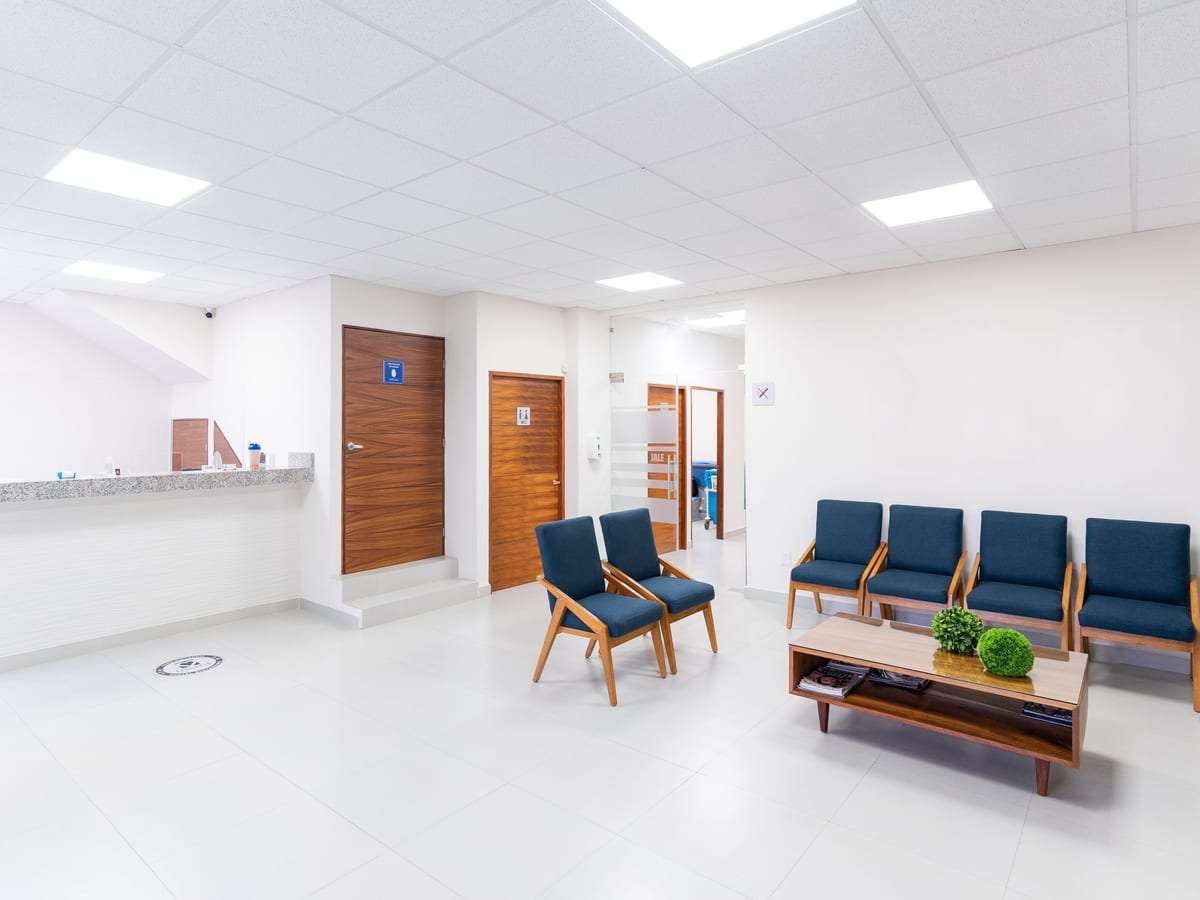
- Offices and clinics: many rooms, corridors and exits that must stay clear.
- Schools, hotels and residential buildings: buildings with many people inside.
If you have an old system, your activity has changed or you have expanded, you may need an upgrade rather than a whole new system.
Civil Defense requirements and the safety certificate
The competent authorities generally require commercial premises to have fire safety systems suited to their activity and size — such as alarm, detection, extinguishing and emergency lighting — and this is linked to obtaining and renewing licences. The technical details are set by the regulations, the Saudi Fire Code and related standards.
Safety certificate procedures go through Civil Defense’s official platforms, such as the «Salama» platform, and may be linked to the municipal licence through «Balady». Names and steps can change, so check the official platform or ask the installer about the current process.
Why accreditation matters. Fire alarm and fire-fighting systems are expected to be installed and maintained by fire safety companies accredited with Civil Defense. Work by a non-accredited company can cause problems when you apply for or renew the certificate, even if the system works. More in our fire alarm and Civil Defense guide.
What affects the cost of a fire alarm system?
We don’t publish prices. These are the factors that make quotes differ:
- Area, rooms and floors
Every room, corridor and floor needs detectors, warning devices and cabling.
- Type of panel
Addressable panels and devices cost differently from conventional ones, but make it easier to find where an alarm is.
- Integration
Linking the alarm to doors, air-conditioning, lifts and extinguishing systems adds devices and design work.
- Drawings and paperwork
Some quotes include drawings and help with certificate procedures; others cover installation only.
- New system or upgrade
Upgrading an existing system may be enough if the wiring and devices are sound.
Compare quotes for the same scope and ask about anything not listed. More in our security systems cost guide.
How the project runs
- 1. Request and survey
You send your activity, size and city; the installer visits or asks for a floor plan.
- 2. Design and quote
A drawing with detector, panel and sounder positions, and a written quote with equipment, timeline and warranty.
- 3. Installation
Cabling and fitting the devices and panel. Timing depends on the size and state of the building.
- 4. Testing and handover
A full system test, handover of drawings and the test record, and help with safety paperwork if it is part of the contract.
Regular maintenance of fire systems
A fire alarm only helps if it works when needed. Dust affects detectors, standby batteries weaken over time and building changes can leave a room uncovered. Fire safety systems therefore need regular maintenance and a written record of every visit, which may be asked for at renewal.
The owner agrees the number of visits and what is checked with the accredited company, and many premises combine fire, cameras and access in one maintenance contract.
Legal points and safe use
Never disconnect a detector or sounder, or disable the panel, to stop repeated alarms. False alarms have causes that can be fixed: a detector in the wrong place, dust, or the wrong type of detector. Ask an accredited company to find and fix the cause.
What this page says about Civil Defense requirements is general. The reference is the competent authorities and the rules in force, and an accredited company can explain what applies to your premises.
Questions to ask before you sign
- Is the company accredited with Civil Defense?
Ask for proof of accreditation or classification and the commercial registration, and check it through the official route.
- Does the quote include drawings and testing?
Ask whether it covers drawings, the test record and the paperwork needed for procedures.
- Conventional or addressable — and why?
Ask for the reason based on your premises’ size and layout.
- What warranty and maintenance follow handover?
The warranty period, maintenance visits and response time for faults.
- Can the system be extended?
If you expect to expand or add a floor, ask about the panel’s capacity.

Fire alarm systems: common questions
Does my shop need a fire alarm system?
It depends on your activity, size and the requirements that apply to you. Commercial premises generally need suitable fire safety systems, and an accredited company can tell you what your premises need.
What is the difference between smoke and heat detectors?
Smoke detectors detect fire faster and suit most rooms; heat detectors are better for kitchens and areas with steam or dust.
Why does the alarm go off when there is no fire?
Usually because a detector doesn’t suit its location, there is dust, or a battery is weak. Don’t disconnect the system — ask an accredited company to check the cause.
Do you issue the safety certificate?
No. We only compare offers. Certificates are issued by the competent authorities through their official platforms, and the installer may help with the paperwork.
How long does installation take?
A small shop is much quicker than a multi-storey building. Ask for the timeline in the quote.
Can the alarm link to cameras or doors?
It can release electric door locks and connect to other systems; this is designed with the installer. Read about access control systems.
Need a fire alarm system for your premises?
Send your activity, size and city, and accredited fire safety companies send you quotes. Free, no obligation.