For homes and small shops
Intruder alarm systems for homes and shops
An alarm system tells you straight away if a door or window opens or there is movement while you are away: a siren on site and an alert on your phone at the same moment. It is a quiet complement to cameras and locks — especially useful for an istiraha that stands empty for days, a home while you travel, or a shop after closing.
Send a request with the type of property, the number of doors and windows and your city, and installers serving your area send you quotes.
What an alarm system is made of
A good system is simple to live with day to day. It usually includes:
Door and window contacts
Two small magnetic parts on the door and frame that signal when the door opens while the system is armed. Fitted to outside doors and windows reachable from the ground or roof.
Motion sensors
Placed in hallways and living areas to pick up movement inside. Pet-friendly versions ignore small animals, so the family cat does not set off the siren.
Control panel and keypad
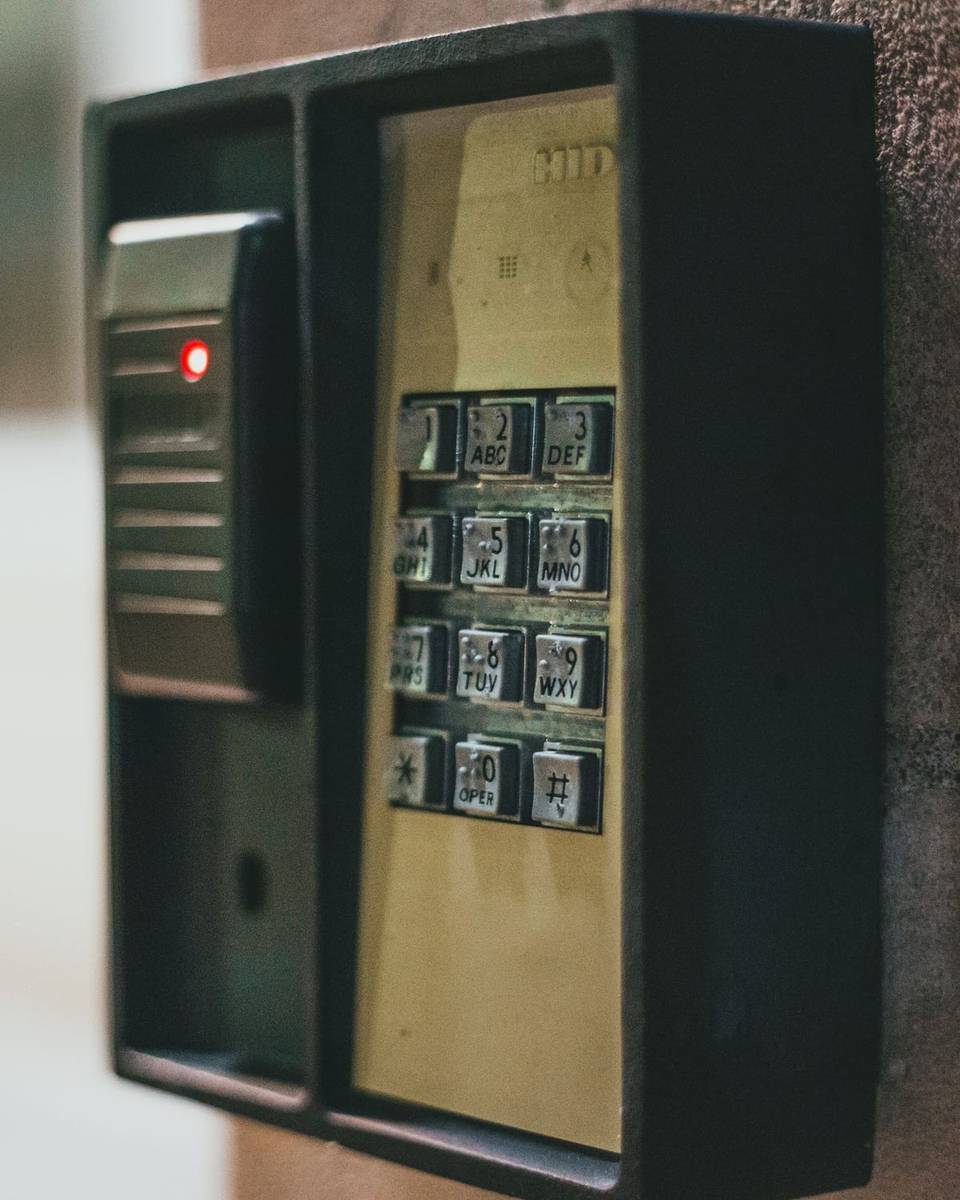
The brain of the system, with a backup battery. You arm and disarm from the keypad by the door, a small key fob or the app.
Siren
An indoor siren, sometimes an outdoor one with a strobe, that alerts anyone inside and draws attention nearby.
Phone alerts
A message, notification or call to you and the family members you choose, saying which sensor was triggered.
Wired or wireless? And which extras help?
Wired is more dependable and needs no sensor batteries; it suits a villa under construction or a shop where cables are easy to run. Wireless is quicker to fit with no drilling and suits apartments, finished homes and istirahas, but sensor batteries need checking. Hybrid systems combine both. Wireless devices must be approved for sale in Saudi Arabia.
Part arming. Important for families: arm the doors and ground floor at night while everyone sleeps upstairs, and the whole house when you travel.
Linking with cameras. If you have home CCTV, some systems send a short clip from the nearest camera when an alert fires, so you know at once whether it matters or someone just left a door open.
For small shops: a contact on the shop door or roller shutter, an indoor motion sensor and arming at closing time. It can be linked to business CCTV.
Who an alarm system suits
- Istirahas: empty most of the week; an alarm with phone alerts gives early notice instead of a surprise on your next visit.
- Villas: especially during long trips, or with an annex or separate storeroom.
- Apartments: a small wireless kit with a door contact and a motion sensor is usually enough.
- Small shops: after closing time, with a personal code for each employee. For shop needs in general, see shops.
Note: an intruder alarm is not the fire alarm system required in commercial premises. For businesses, see fire alarm systems.
Alerts to you, or to a monitoring centre?
Most home systems alert the owner directly: you see the notification, check your cameras or call a neighbour or relative, and contact the competent authorities if needed. For many people that is enough and needs no subscription.
The alternative is a monitoring centre that receives and follows up alerts for you. Running a monitoring centre for third parties may require its own licence, so ask the provider about theirs before signing up. To be clear: SaudiSecurity does not run a monitoring centre or offer security guards — we only connect you with installers.
What affects the price of an alarm system?
We don’t publish prices; quotes mostly differ on:
- Number of sensors
Every door, window and motion zone adds a sensor; a large villa is not an apartment.
- Wired or wireless
Wired needs cabling; wireless sensors cost more but fit faster.
- How alerts are sent
An internet app, a SIM that works even when the internet is down, or both.
- Extras
An outdoor siren, camera integration, or a monitoring-centre subscription if you want one.
For the general picture on security costs, see our cost guide.
Installation steps
- 1. Describe the property
Doors, windows and floors, whether you have pets, and any cameras you want to link.
- 2. Survey and quote
The installer picks sensor positions and writes the quote with their number, type and alert method.
- 3. Installation
A wireless system for an apartment or house usually takes a day; wired in a large villa takes longer.
- 4. Testing and training
Testing every sensor, the siren and alerts, showing the household how to arm and disarm, and handing you the admin codes.
Maintenance and fewer false alarms
Most false alarms come from a motion sensor facing an air-conditioning vent or a moving curtain, a window left open, or a weak battery. Careful installation cuts this a lot, so ask the technician to set sensitivity and choose positions with care.
Test the system now and then, replace wireless sensor batteries when prompted, and check the panel’s backup battery. When someone who knows the code leaves, change it. Larger systems can be added to a maintenance contract.
Responsible use and privacy
An alarm logs arming and disarming times, and when linked to cameras it captures clips too. Tell your family, domestic staff and shop employees it is there, and give each person their own code instead of one shared code. Never publish captured clips.
Think of the neighbours: keep the siren duration reasonable, and make sure linked cameras don’t film their homes. We do not provide any information on disabling or bypassing alarm systems. If you forget the code or the system fails, contact the company that installed it.
Questions to ask the installer
- Is the company licensed and registered?
See what to check in our guide to choosing a licensed installer.
- How will I be alerted if the internet or power fails?
Ask about the backup battery and a SIM connection.
- Do the sensors ignore pets?
Important if cats or birds roam the house.
- Can I expand the system later?
Adding sensors, cameras or a smart lock without replacing the panel.
Alarm systems: common questions
Does the alarm work during a power cut?
The control panel has a backup battery that keeps it running for a while, and wireless sensors run on their own batteries. Ask for the duration in the quote.
I have a cat. Will the siren keep going off?
Not if you choose pet-friendly motion sensors and they are set up properly. Mention it in your request.
Can I arm the alarm from my phone?
Yes on most modern systems, and you can see its status and which sensor was triggered.
What is the difference between an alarm and cameras?
An alarm tells you the moment something happens; cameras show and record it. Together they work best, which is why many people link them.
Is it suitable for a small shop?
Yes — a contact on the door or shutter, a motion sensor and an alert to you after closing.
Does SaudiSecurity monitor the alarm?
No. We don’t run a monitoring centre; we pass your request, with your consent, to installers, and alerts go to you or to a monitoring provider you contract.
Related services
Helpful guides
Want an alarm for your home or shop?
Send the type of property, number of doors and city, and compare installation quotes. Free, no obligation.