What a fire alarm system is made of
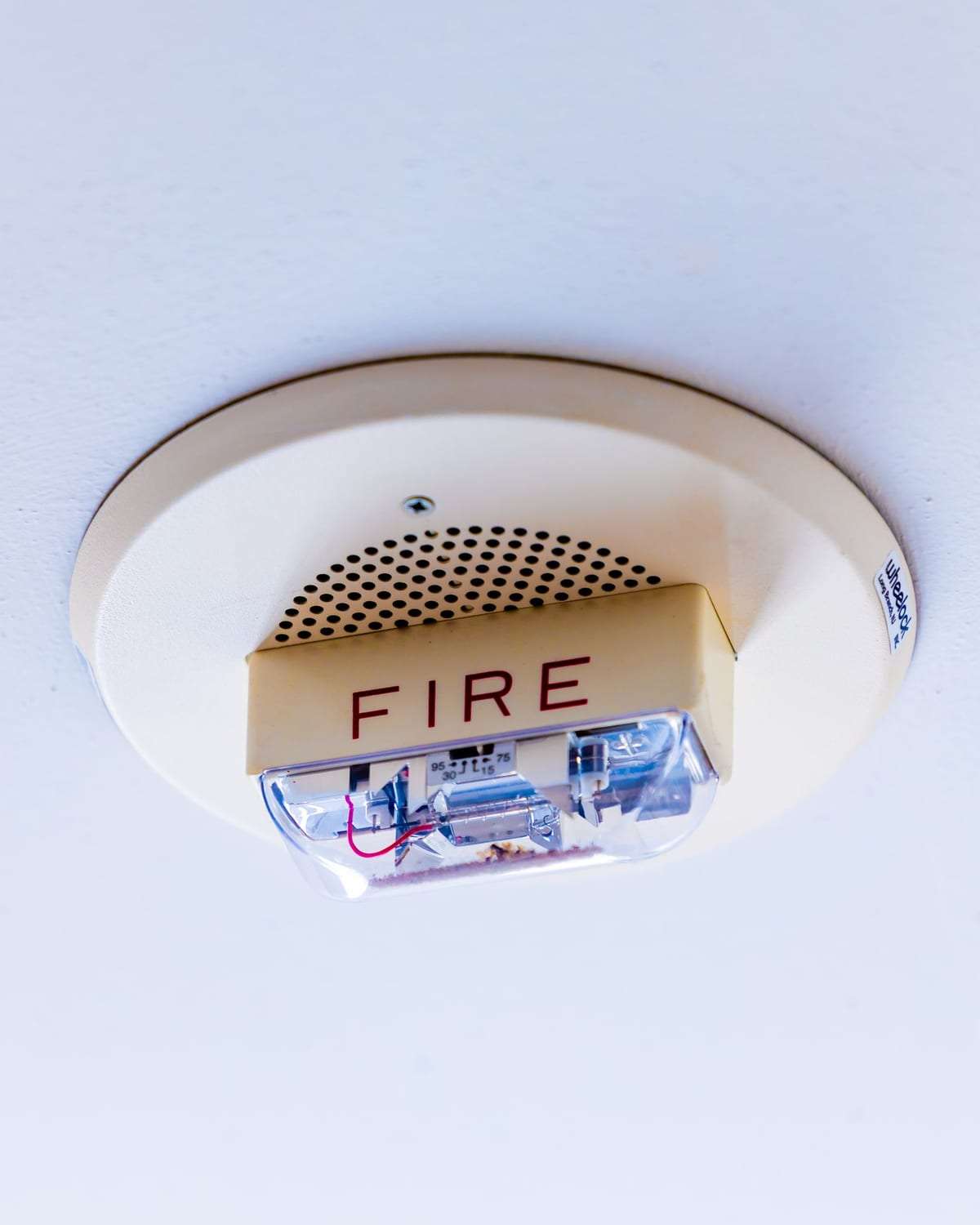
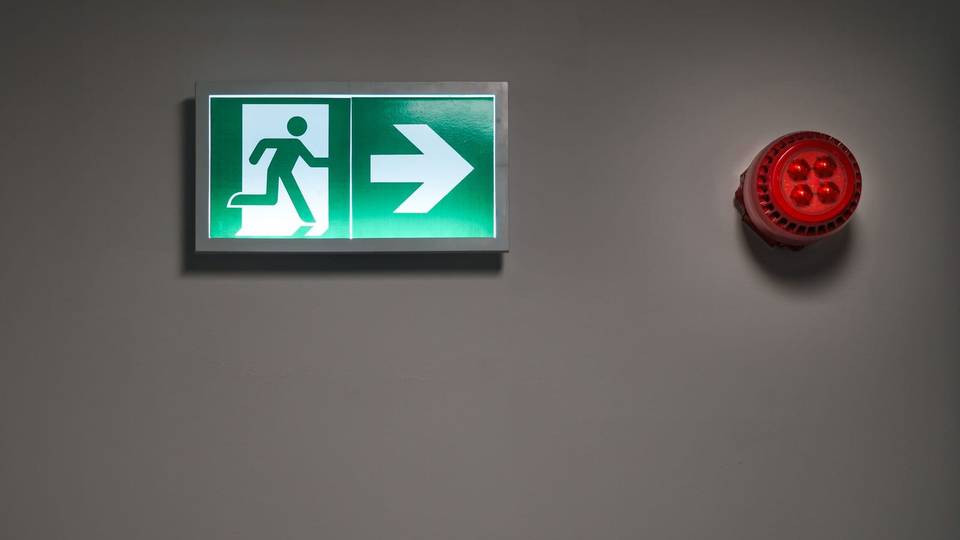
At the heart of the system is the control panel, which receives signals from detectors, triggers the alarm and shows where the problem is. Around it are the detectors: smoke detectors that pick up smoke early, heat detectors that react to rising temperature, and other types for special areas. Then come manual call points, the red boxes anyone can press on spotting a fire, and sounders and flashing beacons that alert everyone.
There are two main types. A conventional system divides the building into zones: when a detector triggers, you know the zone but not the exact detector. It suits small and medium premises. An addressable system gives every detector its own address, so the panel knows exactly which detector in which room, and it is common in large or multi-storey buildings. The choice depends on size, activity and what the requirements call for.
The alarm is part of a wider safety setup that may include emergency lighting, exit signs, extinguishers and, in some premises, automatic suppression. This guide focuses on the alarm; the service itself is described on our fire alarm systems page.
What Civil Defense generally requires
Commercial premises must have safety measures suited to their activity and size, and this is a condition for issuing and renewing licences. What is required varies a lot: a small shop in a traditional souq isn’t asked for the same systems as a hotel, a large warehouse or a school. The technical reference is the fire protection code and the requirements Civil Defense issues for each activity.
We don’t list areas, numbers or categories here, because they depend on how the activity is classified and are updated from time to time. The right order is to find your activity’s classification, check the requirements that apply to it with Civil Defense, then ask an accredited company to design a system that covers them. If you rent a unit in a commercial building, ask the landlord which shared systems exist and how your unit connects to them.
The safety certificate and your licence
Issuing or renewing the safety certificate usually goes through Civil Defense’s official platforms, and is linked to the municipal licence for the activity through the Balady platform. Procedures and service names change, so check the official platform when you apply rather than relying on an old explanation.
In our experience, most certificate delays have simple causes: a system installed by a non-accredited company, a missing maintenance report, or a faulty detector nobody noticed. Sort those out early and renewal becomes routine rather than a last-minute rush.
Accredited safety contractors: why it matters
Fire alarm and fire-fighting systems are installed and maintained by safety systems companies accredited with Civil Defense. This isn’t paperwork for its own sake. An accredited company knows the requirements and designs to them, and its reports are the ones that count at licensing. A system fitted by a non-accredited technician may work but still not be accepted, and then you pay twice.
Before signing, ask the company for proof of accreditation and check it in the way Civil Defense makes available. Ask for a written quote with a plan showing detector, call point and panel positions. If the same company also installs CCTV, make sure it holds the right licence for each activity separately. We cover this in our guide to choosing a licensed installer.
How the system differs by type of business
In a restaurant, the kitchen is hard on smoke detectors: steam, grease and daily frying can cause repeated false alarms. Kitchens therefore usually get heat detectors instead, while smoke detectors stay in the dining area, corridors and stockroom. There may also be specific requirements for suppression over cooking equipment, so ask about them.
In a warehouse, high ceilings and open space make ordinary ceiling detectors slower to react, so the engineer may suggest beam detectors that cover long distances, or systems that draw air samples. Dust in industrial areas in Dammam or Riyadh calls for suitable detectors and more frequent servicing.
In a clinic or office, the system is usually simpler, but a clear alarm and evacuation routes matter most, especially with elderly visitors. In residential buildings and compounds, the panel sits where the caretaker or person in charge can reach it easily, with an alarm audible on every floor.
Maintenance and records after installation
An alarm system needs regular servicing: testing detectors, checking the panel’s backup batteries, making sure sounders are heard everywhere and cleaning dust from detectors. Premises may be required to keep a maintenance log and visit reports, and those records help when you renew the certificate.
Never deal with false alarms by disconnecting a detector or silencing the panel. A false alarm is a message that something is wrong: a detector in the wrong place, dirty or faulty. Ask the accredited company to diagnose and fix the cause. A maintenance contract with an accredited company keeps this regular and documented.
Fire alarms and your other systems
If you have access control with card or fingerprint doors, it should be linked to the fire alarm so that escape doors release automatically when the alarm sounds. That link is designed and tested jointly by both companies, not left to chance.
CCTV is separate from the alarm, but cameras covering exits and corridors can help review what happened after an incident. Plan the systems as one whole, even if different companies install them. What drives the cost of each system is covered in our cost guide.
FAQ
Does every shop need a fire alarm system?
Every premises needs safety measures suited to its activity, but what that means varies. Some small shops may only need simpler measures, while larger premises or those of a special nature need full alarm systems. Check the requirements for your activity with Civil Defense.
What is the difference between a smoke detector and a heat detector?
A smoke detector catches a fire early but is affected by steam and dust; a heat detector reacts a little later but suits kitchens and dusty areas better. The engineer chooses for each space.
My panel keeps giving false alarms. What should I do?
Don’t disconnect the detector or silence the panel. Ask the accredited company to visit and find the cause; it is usually a dirty, badly placed or faulty detector.
Can one company do both my cameras and my fire alarm?
Yes, if it is accredited with Civil Defense for safety systems and also licensed to install surveillance systems. Check each one separately.
Does SaudiSecurity issue the safety certificate?
No. We are a quote-comparison service that passes your request, with your consent, to specialist companies. The certificate is issued by Civil Defense through its official platforms.
This guide is general information, not legal advice. Rules and requirements can change — always confirm with the competent official bodies and a licensed installer before deciding.