For building owners and compound managers
Intercoms and cameras for residential buildings and compounds
In an apartment building, the first thing residents notice is the front door: can they see who is there before opening, and does the door actually lock? That is why most owners start with a video intercom, then add cameras for the entrance, parking and shared areas.
Whether you own a building with a handful of flats or manage a gated compound, send one request and get quotes from licensed installers of intercoms, cameras, access control and fire systems.
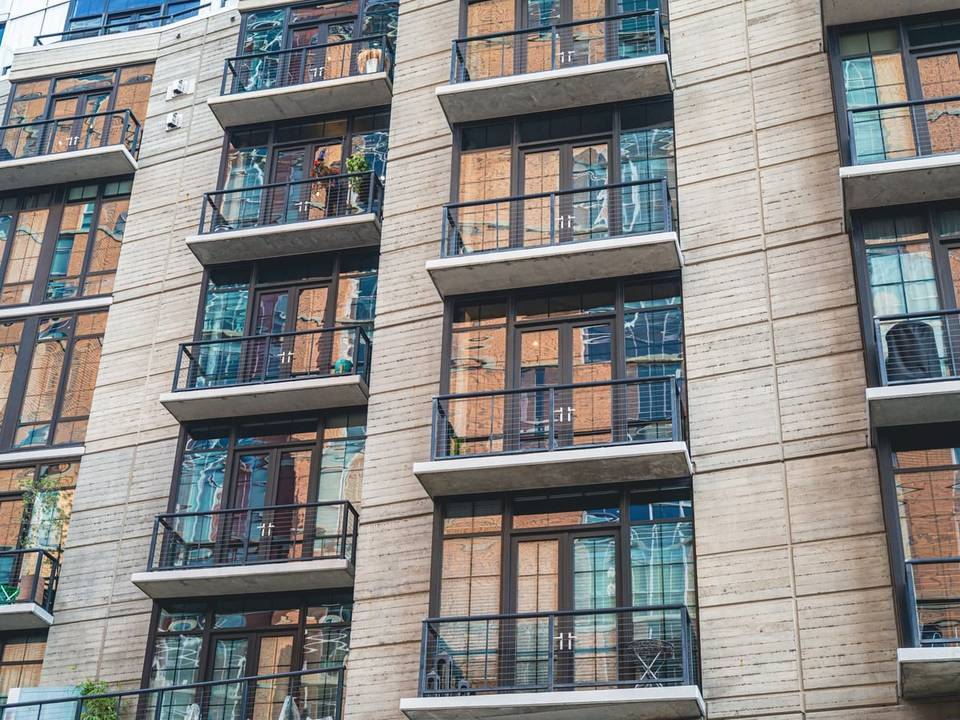
What a residential building or compound needs
For apartment buildings the basics are a video intercom with a screen or phone app in each flat, an electric lock on the entrance door that residents open from home, and cameras for the entrance, parking and lift. Many owners add card or code entry for residents.
In compounds the system grows: a main gate with access control for cars and visitors, cameras at gates, along the perimeter, on internal roads and at shared facilities, and an intercom linking each villa or flat to the gatehouse.
Where cameras go in a building or compound
Entrance door and lobby
A camera facing the entrance from inside, plus the intercom camera outside the door.
Lift and stairs
A camera at the ground-floor lift lobby, and in the lift itself if the owners wish, after informing residents.
Parking and basement
Cameras covering the parking entrance and the aisles, with good night vision.
Compound gates and perimeter
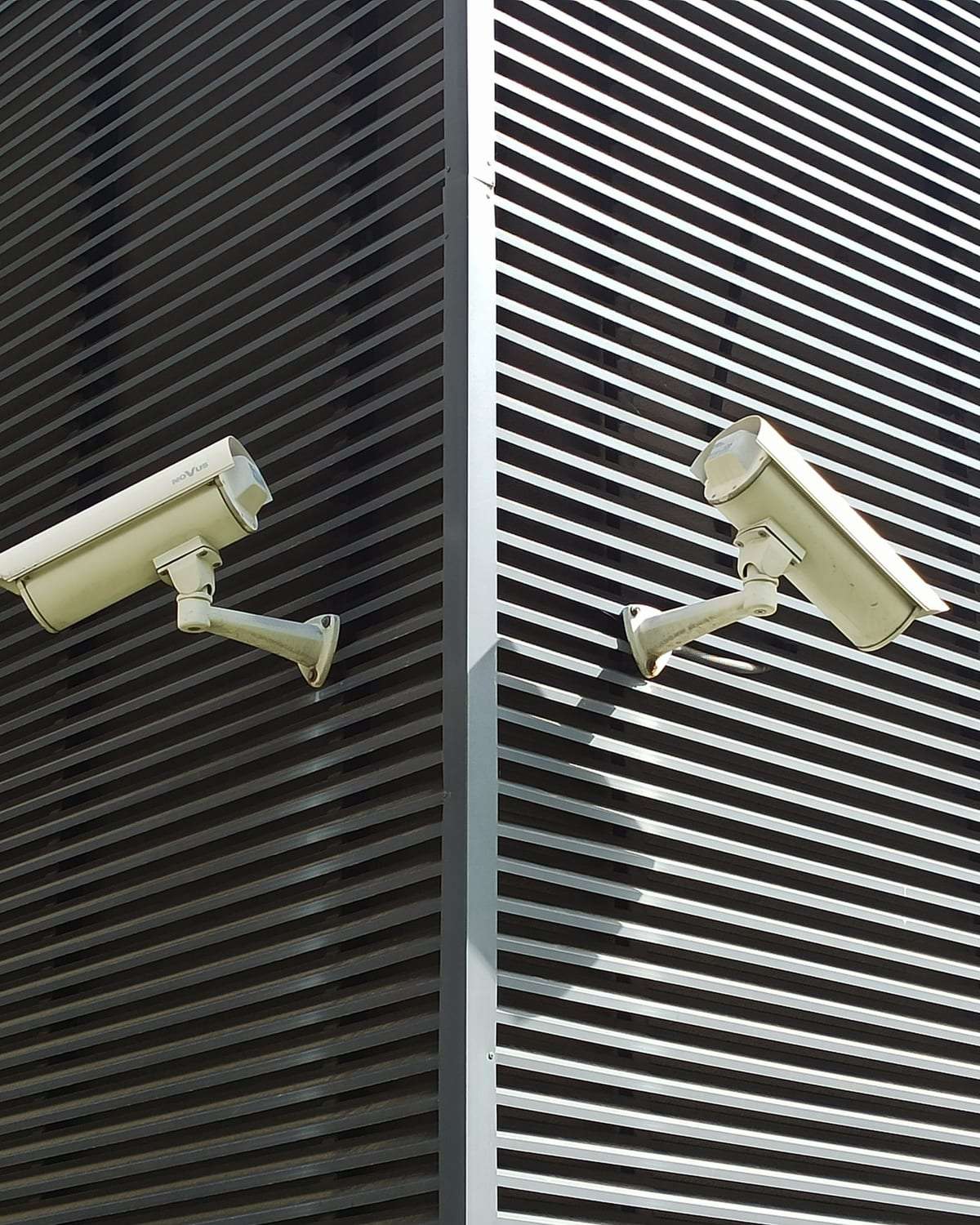
A plate camera at the gate, and outdoor cameras along the wall and at shared facilities such as playgrounds and the outside of the pool area.
Where not to put cameras: inside flats or villas, or aimed at their windows and balconies, or at neighbours’ homes opposite. No cameras in shared toilets or in pool and gym changing rooms. Floor-corridor cameras, if any, stay general and never focus on one flat’s door. More in our home cameras and privacy guide.
Fire alarms in residential buildings and compounds
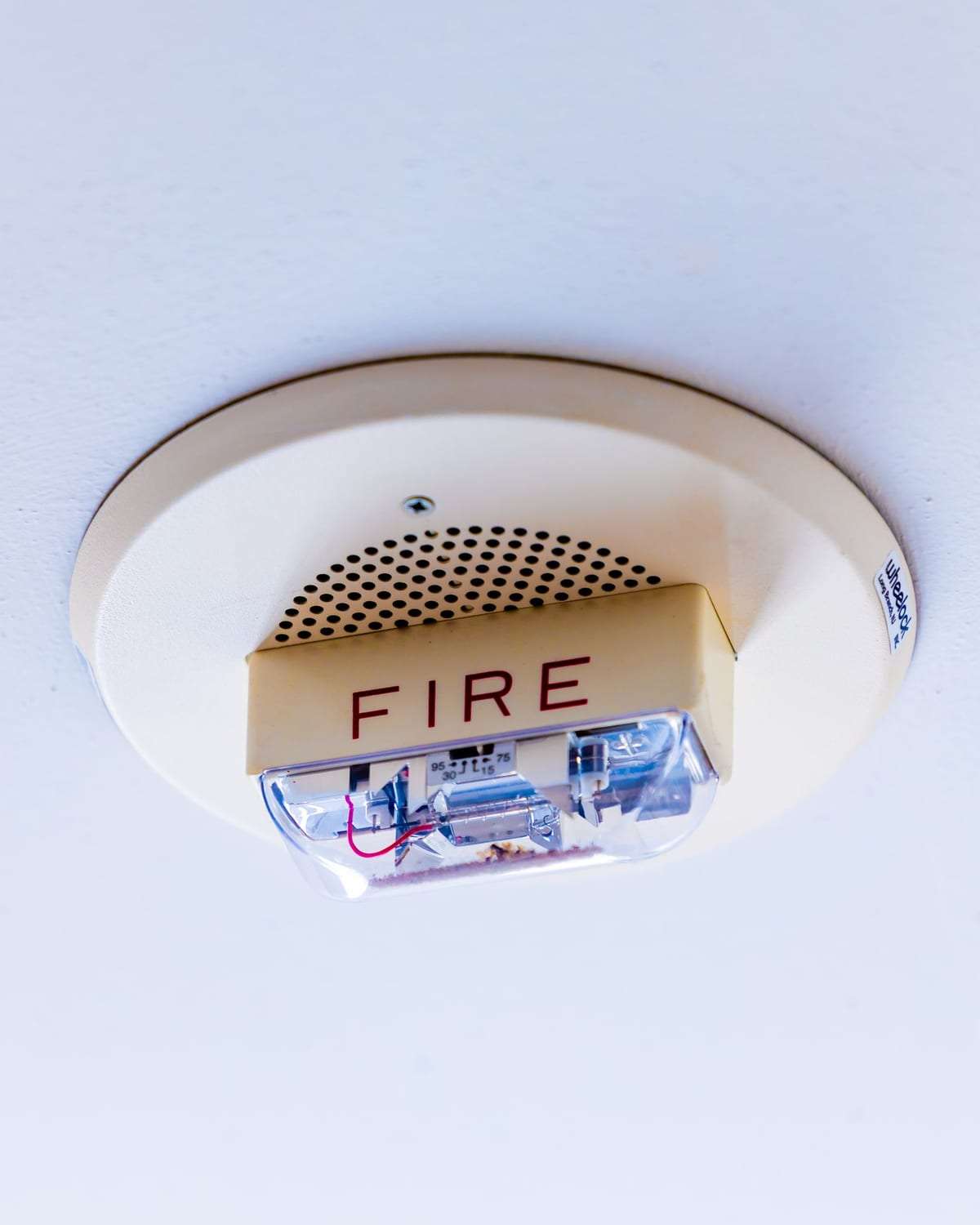
Residential buildings, especially multi-storey ones, need safety measures in shared areas: detectors in corridors, the basement and electrical rooms, emergency lighting on the stairs, extinguishers on every floor, and possibly a full fire alarm system depending on height and number of units. Compounds have shared facilities with their own requirements. These are tied to licensing through the official Civil Defense platforms.
Fire systems are installed and maintained by fire-safety contractors accredited with Civil Defense, and responsibility usually lies with the owner or compound management. Read our fire alarm and Civil Defense guide.
Intercoms and access control
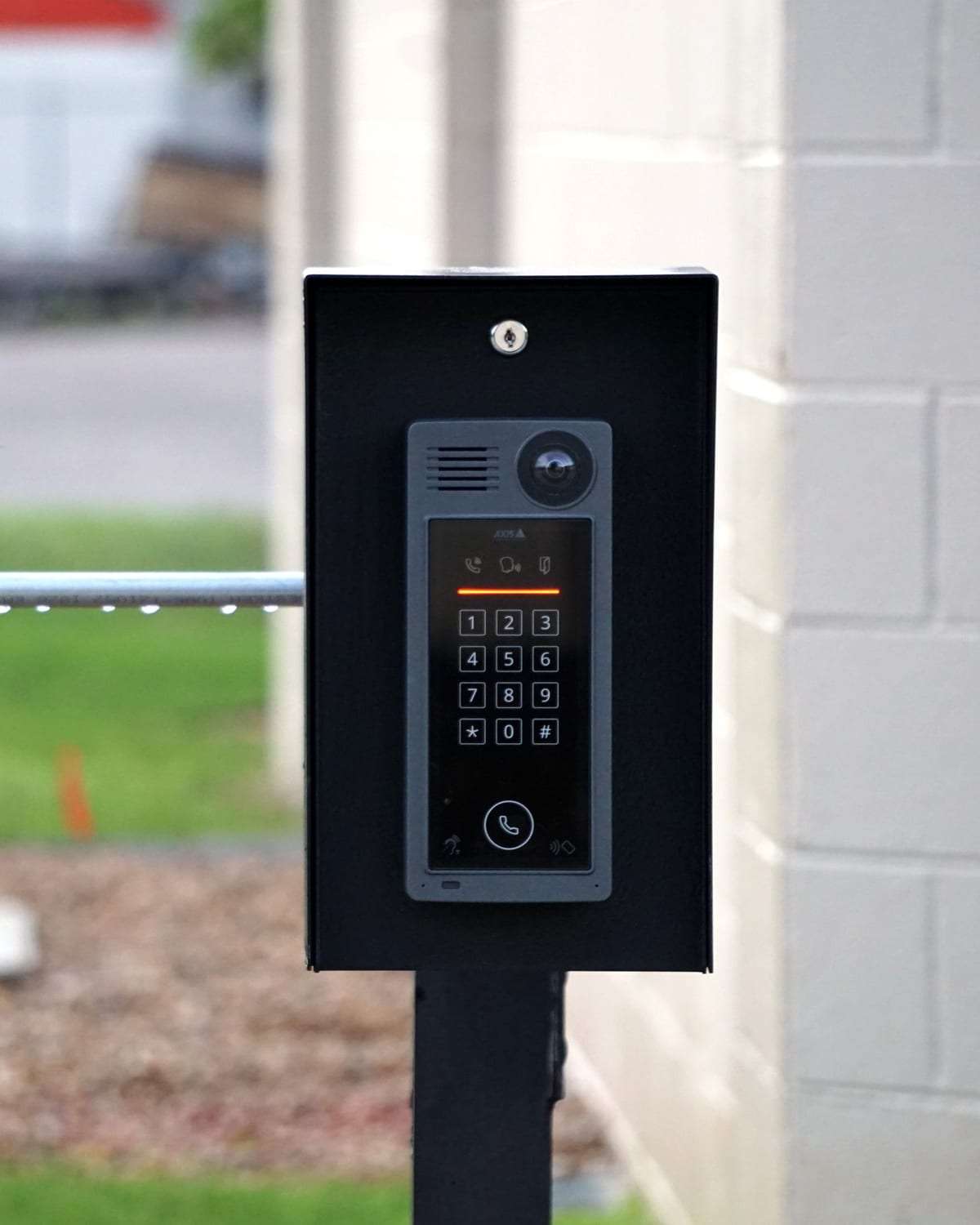
A video intercom is the heart of a building system: the visitor presses the flat number, the resident sees them on a screen or phone and opens the door. Modern systems let residents answer from their phone even when away, and keep a snapshot of everyone who rang.
In compounds, access control at the gate — by card, windscreen tag or plate reader — makes entry easy for residents, while visitors are registered at the gatehouse. In older buildings, the intercom can often be upgraded over the existing wiring. More in our intercom and video doorbell guide.
Compliance and residents’ privacy
The surveillance camera law and its implementing regulations may cover some residential compounds and set the areas to cover and how long recordings are kept. Small buildings may not be required to have cameras, but privacy rules apply to any system. Check what applies to you in surveillance camera compliance.
Tell residents about the cameras and where they are, decide who may view recordings (the owner or compound management only), and don’t hand one resident footage of another except through the proper channels.
What to include in your quote request
- Type of property (building, compound) and the number of flats or villas, floors and entrances.
- Photos of the entrance, lobby and parking, or a compound plan with gates and perimeter.
- Whether there is an old intercom and its wiring, and whether you want phone answering.
- Rough camera count, the retention you need and who needs viewing access.
- Whether the building is occupied and when installation suits residents.
- Whether you need a fire alarm, an automatic gate or a maintenance contract in the quote.
For what drives the cost, see our security systems cost guide.
Related services
Residential building systems: common questions
Can I upgrade the intercom without breaking walls?
Often, yes — some modern systems run over the old intercom wiring. The technician confirms after a survey.
Can residents open the door from their phone?
Yes. Most modern video intercoms support a phone app that answers and opens the door, as long as the building has internet.
A resident wants footage of their car in the car park — should I give it?
Recordings may show other residents. It is better to keep the clip and hand it to the competent authority when a report is made, rather than share it directly.
Do you provide guards for the compound?
No. We don’t offer security guarding. We only connect you with licensed installers of intercoms, cameras, access control and fire systems.
Helpful guides
By business type
Available in these cities
Want an intercom and cameras for your building or compound?
One request with your number of units and city brings quotes from licensed installers. Free, no obligation.