Villa gate or house door?
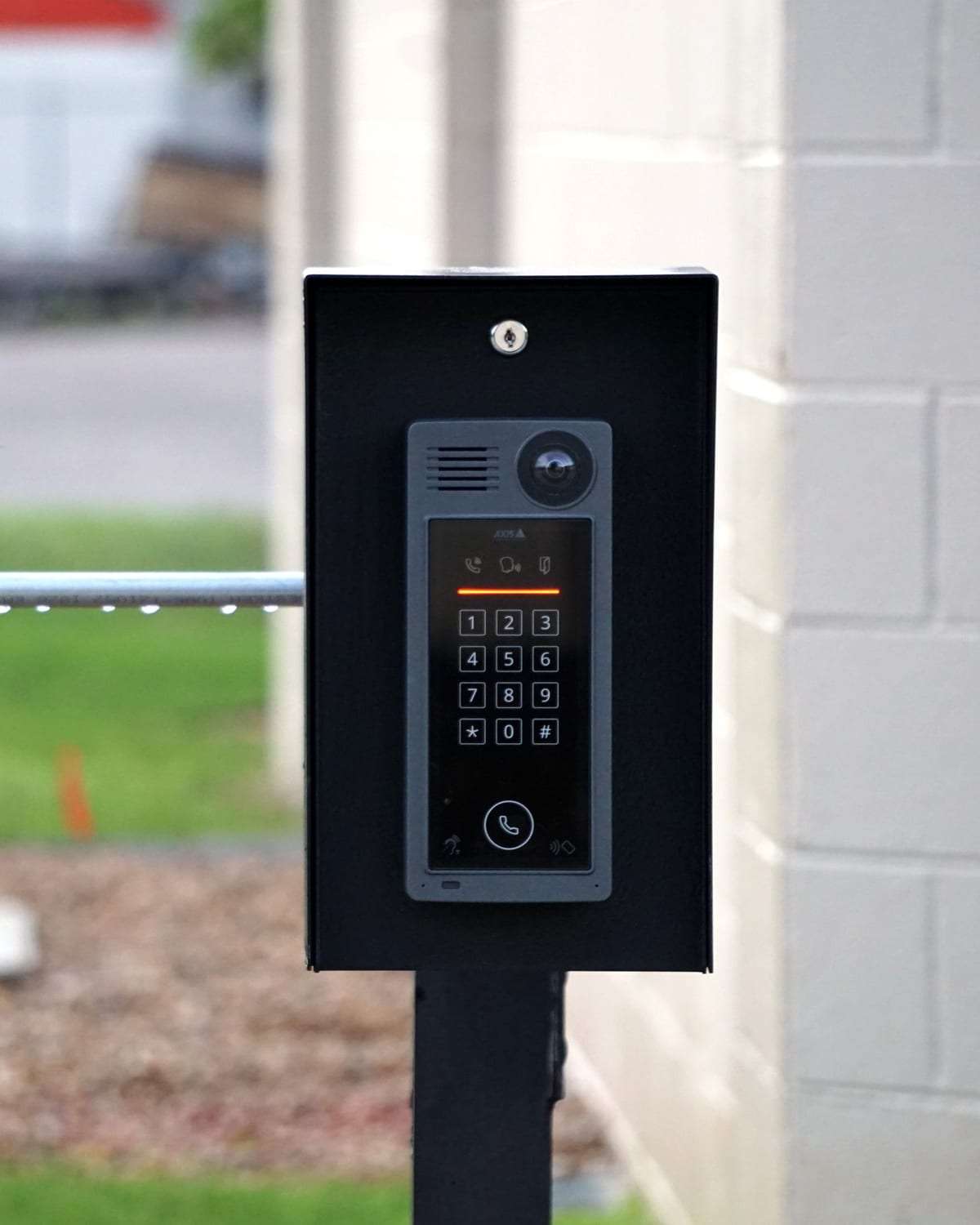
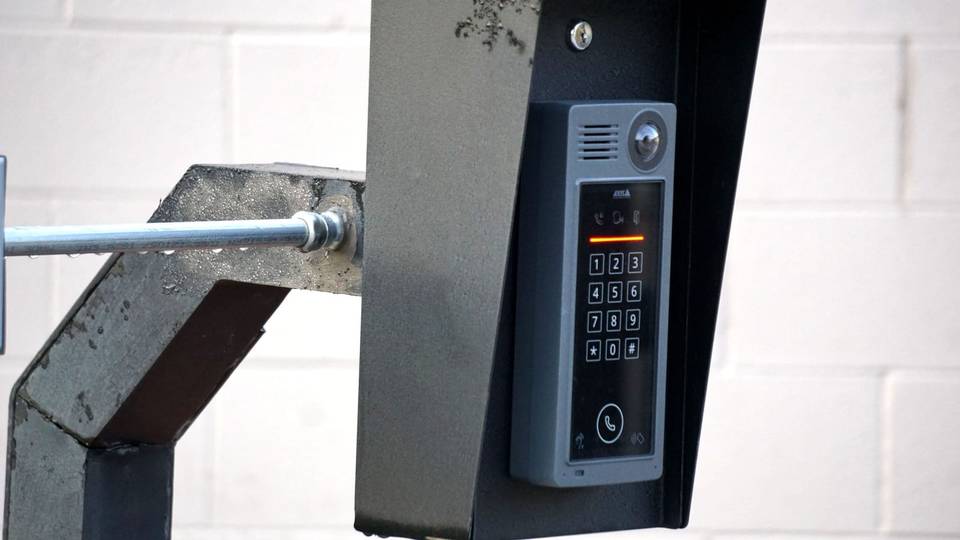
A villa in Riyadh usually has a pedestrian gate on the street, a vehicle gate, and then the house door inside the yard. Most visitors stop at the outer gate, so that is the natural place for the intercom’s outdoor unit with its camera and call button. The house door itself may only need a normal bell, or a simple second unit if the yard is large.
In an apartment it is different: visitors usually pass through the building entrance before reaching your flat. If the building has a shared intercom at the entrance, your flat needs an indoor monitor connected to it. If it doesn’t, a video doorbell on the flat door is a sensible option, as long as the camera covers your own threshold and not the whole corridor.
At an istiraha in Qassim or Al Kharj, what matters most is knowing who is at the gate while you are far away, so an intercom that connects to your phone is the better fit, with remote gate release if the gate is electric.
Distance and cabling
The distance between the gate and the house decides the type of system and the amount of work. In a villa with a large yard it may be tens of metres, and the cable has to run under the paving or planting in suitable conduit. If the house is older and has no conduit in place, digging and re-laying paving are part of the job and should be listed in the quote.
If the house is still being built, this is the best time: ask the technician to plan an empty conduit from the gate to the indoor monitor position, with a spare network cable. A simple conduit now saves breaking tiles later, and the same conduit can serve home cameras if you decide to add them.
Where to put indoor monitors
Indoor monitors go where people actually spend time. In most homes that means one near the entrance or living room, one in the kitchen because the lady of the house or the housemaid spends a lot of time there, and one in or near the majlis so the men can receive their guests. In multi-storey villas, a monitor upstairs saves going down every time.
Most systems allow several monitors on one outdoor unit, and some allow internal calls between monitors, so you can call upstairs from the kitchen. Ask how many monitors the system supports before buying, so you don’t have to replace it when you want to add one.
Privacy: answering by voice only
In many Saudi homes, women prefer to see who is at the door without being seen. So choose a system where the camera is only in the outdoor unit and the indoor monitor is for viewing and voice, with no camera sending a picture of the household outside. Most intercoms work this way, but some smart doorbells support two-way video calls, so make sure that is switched off.
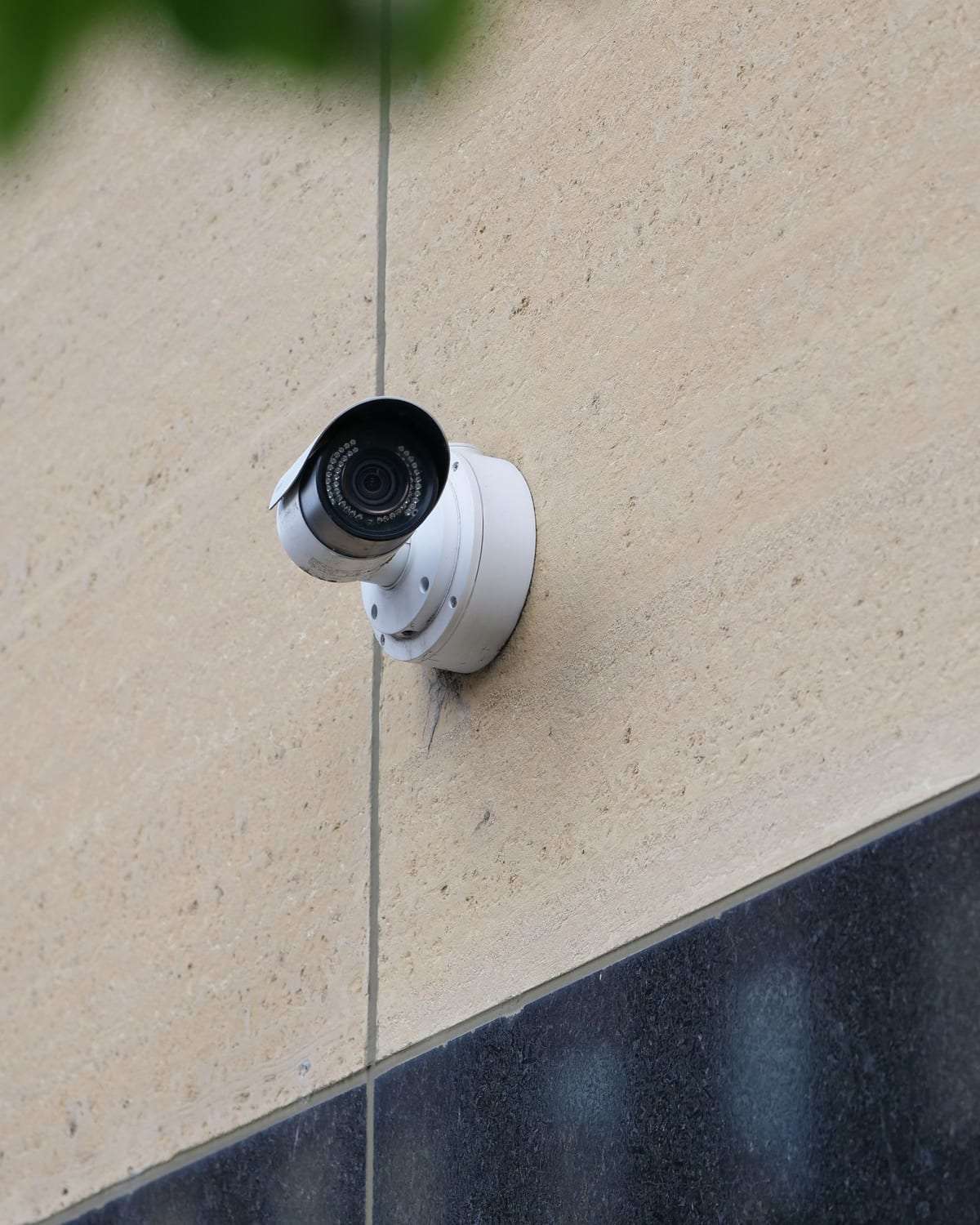
The same applies when answering from your phone: you can reply by voice only, or by text to a delivery driver in some apps. Remember that a video doorbell films whoever stands at your door, so don’t post its clips, think twice before turning on audio recording, and aim it at your entrance rather than the neighbour’s house. More in our home cameras and privacy guide.
Multi-unit buildings
In a residential building in Jeddah or Dammam with ten flats or more, the intercom becomes a shared system: a panel at the main entrance with a button or number for each flat, a monitor in every flat, and an electric lock on the building door that residents release from their monitor. Here planning matters more than the device, because every flat needs a cable or connection back to the entrance panel.
The owner or the owners’ association usually decides the shared system, and residents choose a monitor within what it supports. If the building is large or has several entrances, consider linking the intercom with access control using resident cards. The full picture for buildings is on our residential buildings and compounds page.
IP, 2-wire or wifi doorbell?
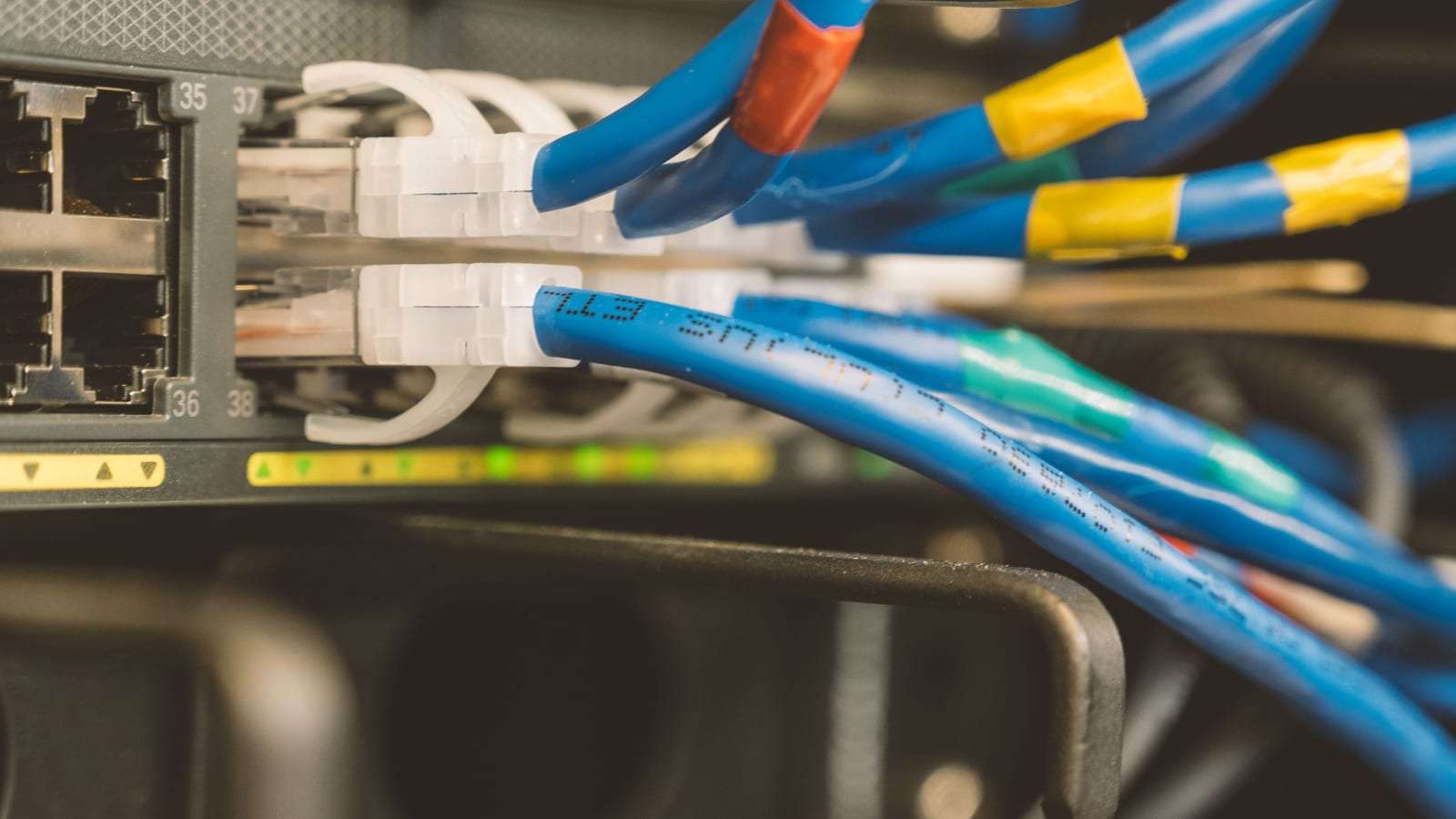
A 2-wire system carries audio, video and power over a single pair of wires. It suits older homes with existing bell or intercom wiring very well, because it can often reuse it without new cabling. An IP system runs on network cable, gives a sharper picture and more flexibility for adding monitors and connecting to your phone, and suits new homes and buildings.
A wifi doorbell is a small unit on the door that sends alerts straight to your phone and is far easier to install. But it depends on wifi strength at the door, which is often weak at a gate far from the house, and many run on a battery that needs recharging. It suits a flat or a door near the router better than the gate of a large villa. In every case, check that the wireless device is approved for sale in the Kingdom.
Power, heat and dust at the gate
The outdoor unit stands in the sun all summer and gets covered in dust after every dusty spell. Choose a unit with an ingress rating suited to outdoor use and an operating temperature range that can handle our summers, and fit it under a small hood if possible, so the lens isn’t facing direct sun. Clean the lens and button now and then; dust alone is enough to wash out the picture.
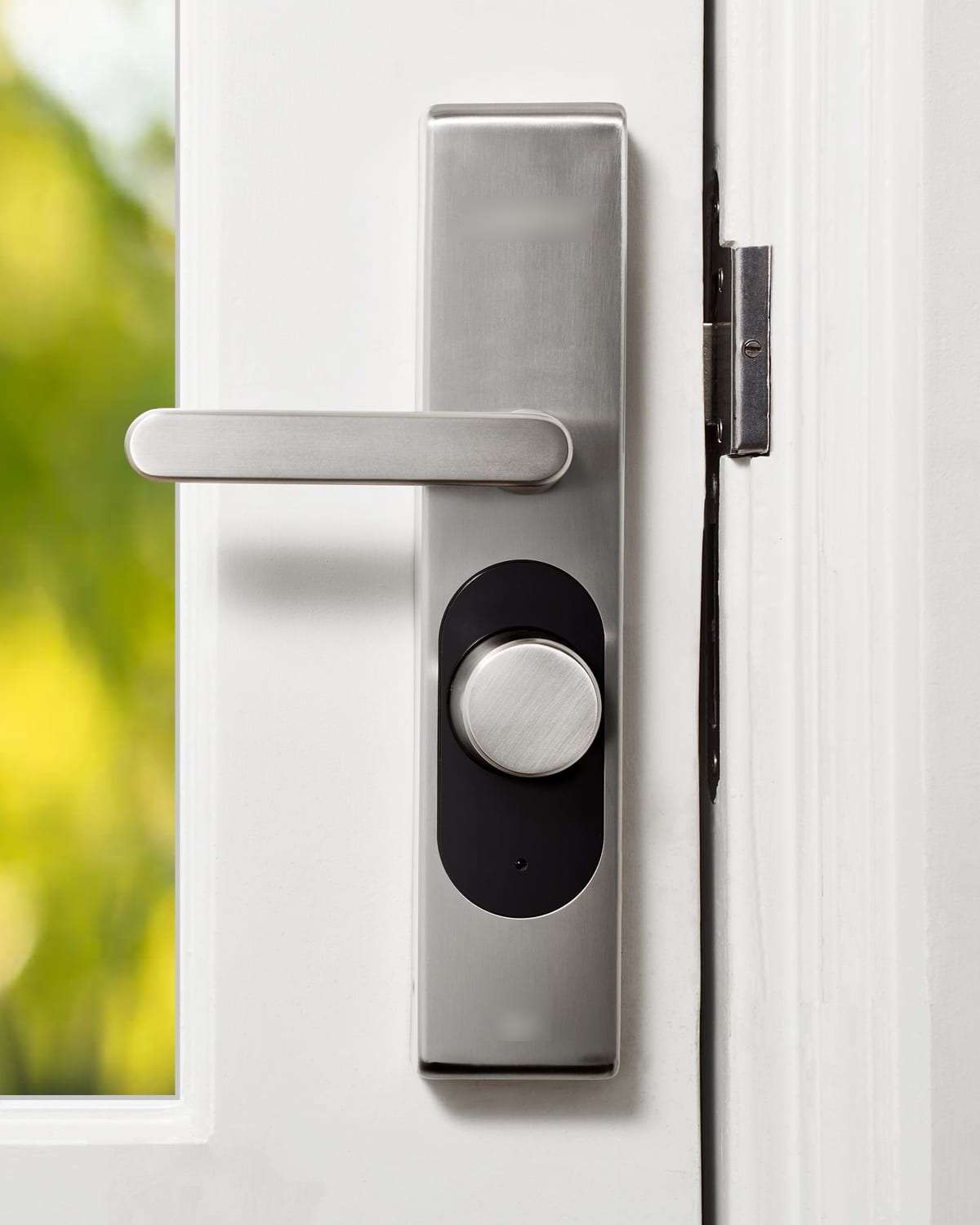
Check the power source too: a fixed power supply in a protected spot is better than a battery in a doorbell exposed to heat. If the intercom releases an electric lock or a smart lock on the gate, ask the technician what happens in a power cut and how you open the gate manually.
Finally, ask the company for its licence number and commercial registration, and make sure the quote states the number of monitors, cable length, any digging, the backup opening method and the warranty.
FAQ
Can I answer the intercom from my phone when I’m out?
Yes, with most IP systems and wifi doorbells, as long as the house has a stable internet connection. Some 2-wire systems support it with an add-on module.
Will my old intercom work with a new monitor?
Sometimes, if it is the same type and system. In many cases the technician reuses the old wires and fits a complete new 2-wire system without new cabling.
Can the visitor see me when I answer?
Not with a standard intercom: the camera is only in the outdoor unit and the visitor just hears your voice. With smart doorbells, check that video from your side is switched off.
How many monitors does a villa need?
Usually one near the entrance and one in the kitchen, plus one upstairs in a multi-storey home. The technician suggests the number once they know the layout.
What is the difference between a video doorbell and an intercom?
A video doorbell is a stand-alone device that sends to your phone and is easier to install; an intercom is a system with indoor monitors and cabling that suits distant gates and buildings. More on our intercom and video doorbell page.
This guide is general information, not legal advice. Rules and requirements can change — always confirm with the competent official bodies and a licensed installer before deciding.